
The Reward That Punishes the Wrong People
Every HR calendar has one: the perfect attendance award. A certificate, a bonus, a line in the annual dinner for the employee who never missed a day. It feels like the safest incentive an employer can offer. Reward showing up, and you will get more of it.
The logic is clean, and it is wrong. The perfect attendance bonus does not reward the behaviour companies think it does, and the people it quietly punishes are often the ones who did nothing wrong.
Presence Is Not the Same as Contribution
Start with what the award actually measures. It measures a body at a location, nothing more. It says nothing about what that person produced, how well they worked, or whether their presence added anything on the days they turned up.

An employee can clock in every day for a year, contribute little, and still collect the prize, while a high performer who took three days of legitimate medical leave walks away with nothing. The award rewards the metric that is easiest to count, not the one that matters. As the argument in WFH and the Trust Problem Your Attendance Data Cannot Solve already established, attendance was never designed to measure productivity, only presence. A bonus built on it inherits that blind spot and then pays money for it.
The Sick Employee You Paid to Come In
Now the damage. When there is a reward for never being absent, the employee with a fever does the maths and comes in anyway. They are not being diligent. They are protecting a bonus.
So they sit at their desk half-functioning, spreading whatever they have to the people around them, and the company that offered the reward has effectively paid to turn one sick employee into five. Presenteeism costs more than absence ever did, because absence takes out one person while presenteeism takes out a team, and none of it shows up on the attendance record that triggered the payout.
The Legal Line You Did Not Mean to Cross
Then there is the part most employers never consider. Sick leave, hospitalisation leave, and maternity leave are statutory entitlements, not discretionary favours. An employee who uses them is exercising a legal right.
A reward scheme that pays employees for not taking that leave is, in effect, a financial penalty for using it. Apply that to a pregnant employee on maternity leave, or a worker managing a chronic condition, and a well-meaning morale exercise starts to look like discrimination against the very people the law is designed to protect. The bonus was meant to encourage reliability. What it does is put a price on staying silent about being unwell.
Reward the Right Thing, and Measure It Properly
None of this means attendance does not matter. Unauthorised absence, chronic lateness, and genuine unreliability are real problems worth managing. The mistake is using a blunt bonus to chase them, because it cannot tell the difference between an employee gaming the system and one exercising a right.
That distinction is exactly what an attendance system should draw. TimeTec Attendance, read together with the leave record, separates protected leave from unauthorised absence, so an employee on approved medical leave is never confused with one who simply did not show up. Its tardiness and absence reporting surfaces the patterns that actually signal a problem, the repeated Monday no-shows, the drift in clock-in times, rather than rewarding a full sheet that hides as much as it reveals. Managed this way, you stop paying for presence and start acting on the few cases that genuinely need attention.
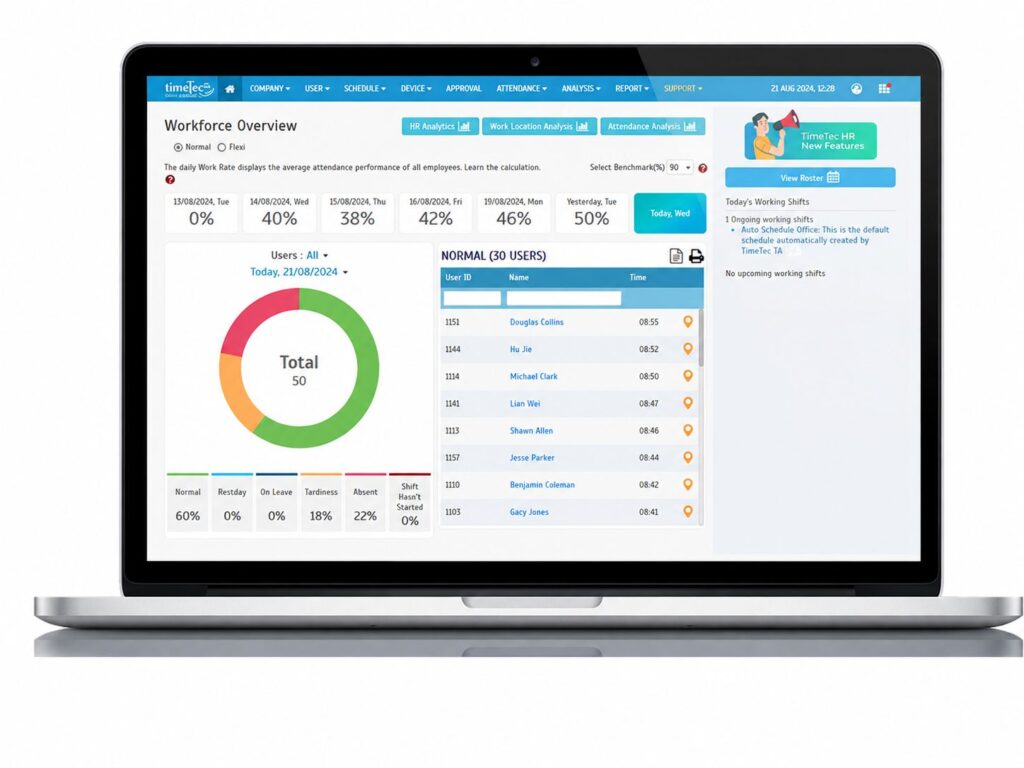
The goal was never a room full of people who never miss a day. It was a workforce that shows up able to work and stays home when it should.
A Full Attendance Sheet Is Not a Healthy Workforce
Rewarding perfect attendance treats a symptom and calls it a virtue. It fills the office on the days it should be emptier, and it fines the honest for being human.
Reward the work, not the turnstile. One is what you are actually paying for. The other only looks like it.