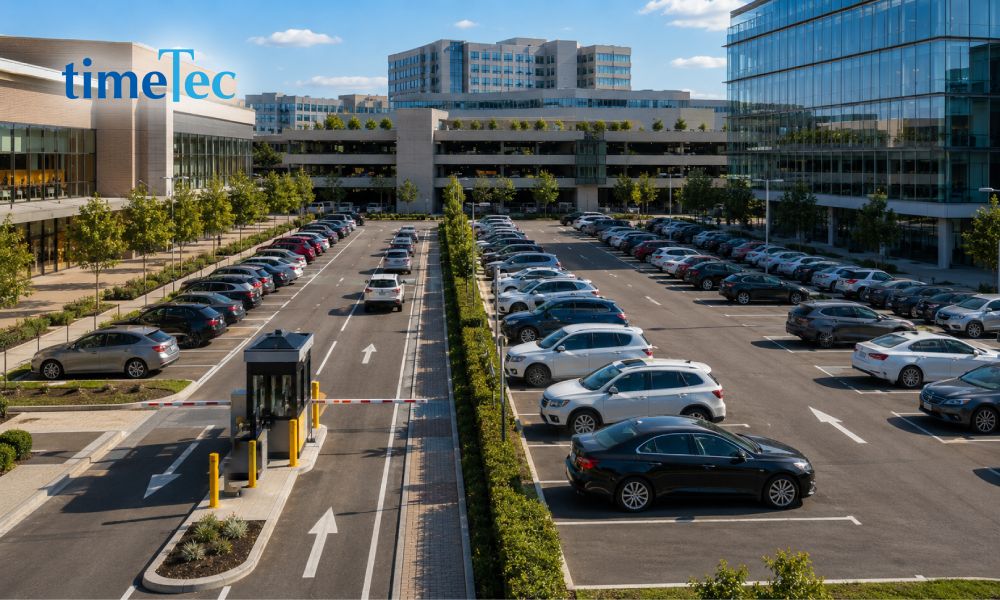
One of the most common questions raised by property developers, building owners and parking operators during the planning stage of a parking facility is:
“How many parking bays should be allocated for casual parking, and how many for season parking?”
There is no one-size-fits-all answer.
The ideal allocation depends on the nature of the property, visitor behaviour, parking duration, operating hours, tenant mix, and business objectives. A shopping mall, for example, has completely different parking dynamics from an office tower or a hospital.
Getting this balance right is more important than many people realize. Allocating too many bays to season parking may leave visitors circling for spaces, hurting customer experience and business revenue. On the other hand, allocating too few season bays may frustrate tenants, employees and long-term users.
This article shares practical industry guidelines for different property types and explains why modern smart parking systems should move beyond fixed allocations toward dynamic parking management.
Understanding Casual and Season Parking
Before determining the right ratio, it is important to understand the purpose of each parking category.
Casual Parking
Casual parking serves users who park occasionally or for short durations, including:
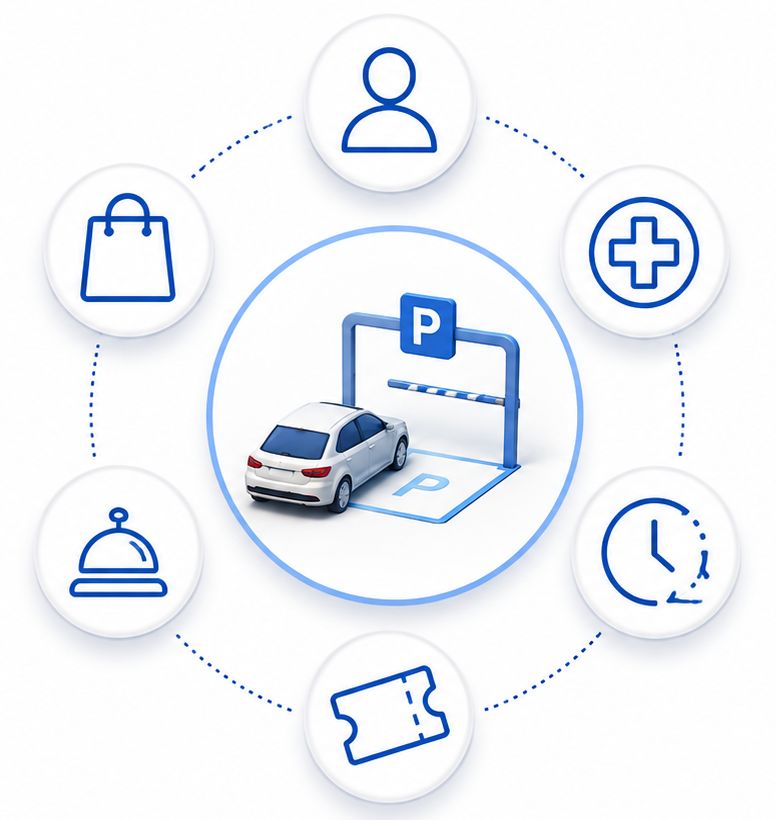
- Visitors
- Customers
- Patients
- Hotel guests
- Shoppers
- Event attendees
- Contractors
Casual parking generally generates higher revenue because the same parking bay can be used by multiple vehicles throughout the day.
Season Parking
Season parking is reserved for users with monthly, quarterly or annual parking privileges, such as:
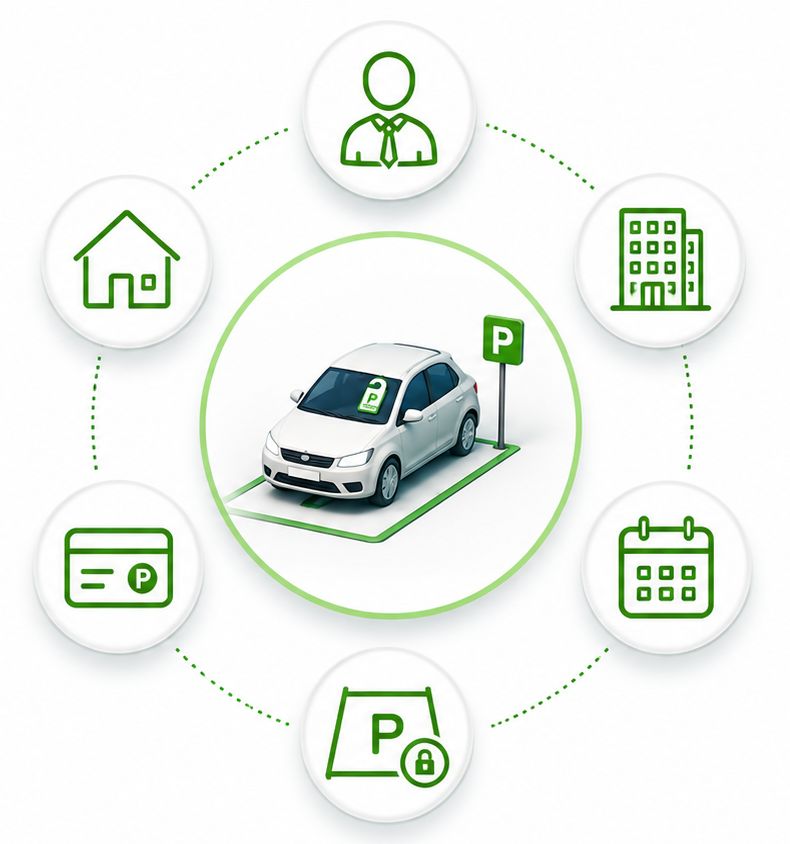
- Office employees
- Residents
- Long-term tenants
- Hotel staff
- University staff
- Hospital personnel
Season parking provides convenience and predictable access, although vehicles often occupy the same bay for long periods, reducing turnover.
Recommended Bay Allocation by Property Type
The following ratios are practical starting points adopted by many parking operators. They should be fine-tuned based on actual occupancy data and operational requirements.
| Property Type | Casual | Season | Recommended Starting Ratio |
| Office Tower | 20-35% | 65-80% | 30 : 70 |
| Shopping Mall | 85-95% | 5-15% | 90 : 10 |
| Airport | 80-90% | 10-20% | 85 : 15 |
| Hotel | 75-90% | 10-25% | 80 : 20 |
| Hospital | 65-80% | 20-35% | 70 : 30 |
| College / University | 30-45% | 55-70% | 40 : 60 |
These ratios should be regarded as planning benchmarks rather than fixed rules.
Office Towers: Prioritise Employees Without Sacrificing Visitors
Office buildings typically experience predictable weekday parking demand. Most users are employees arriving in the morning and leaving in the evening, making season parking the dominant requirement.
Office buildings typically experience predictable weekday parking demand. Most users are employees arriving in the morning and leaving in the evening, making season parking the dominant requirement.
A typical office building should allocate approximately:
- 70% Season Parking
- 30% Casual Parking
However, allocating more than 80% to season parking is generally not advisable.
Why?
Because employee attendance fluctuates due to hybrid working arrangements, meetings, travel and leave. Reserved season bays often remain empty while visitors struggle to find parking.
For mixed-use office developments, increasing casual allocation to around 35–45% usually provides better operational flexibility.
Shopping Malls: Customers Should Always Come First
Shopping malls depend on customer turnover.
Every parking bay occupied by a staff member for eight hours could otherwise accommodate several paying customers throughout the day.
Therefore, shopping malls should generally maintain:
- 90% Casual Parking
- 10% Season Parking
Season parking should mainly be reserved for:
- Mall management
- Essential operational staff
- Selected tenants
- Security personnel
Many successful malls relocate employee parking to upper floors, rooftop areas or nearby off-site parking to preserve prime parking for shoppers.
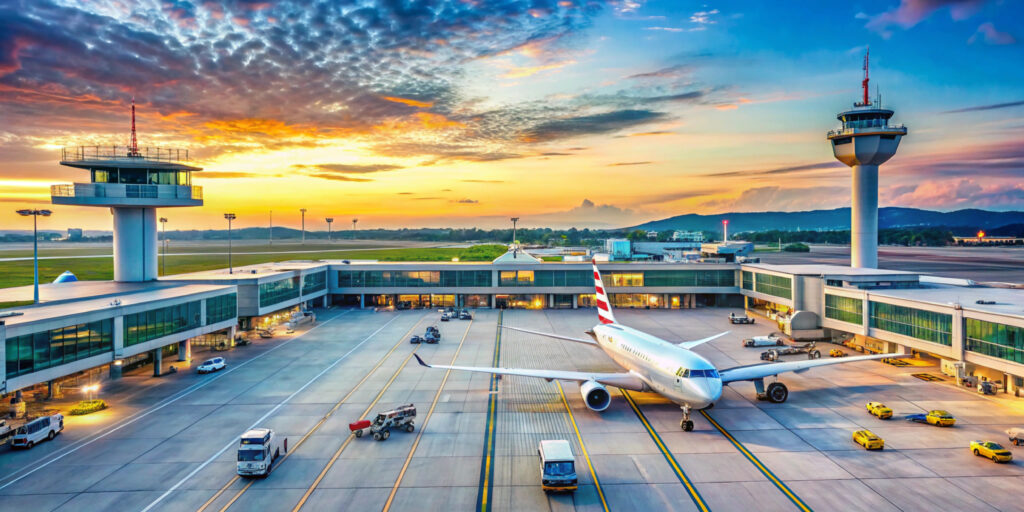
Airports: Different Public Parking Products Matter
Airport parking should not simply be divided into casual and season parking.
Instead, public parking should include multiple products such as:
- Short-stay parking
- Terminal parking
- Long-stay parking
- Pre-booked parking
- Valet parking
- Pick-up and e-hailing holding areas
Season parking primarily serves:
- Airport employees
- Airline staff
- Ground handlers
- Retail tenants
A practical allocation is approximately:
85% Public Parking
15% Season Parking
Staff parking should preferably be located away from terminal entrances and supported by shuttle services.
Hotels: Flexibility is Essential
Hotel parking demand changes throughout the day depending on:
- Guest occupancy
- Restaurants
- Wedding receptions
- Conferences
- Corporate events
Unlike office buildings, hotel parking requirements fluctuate significantly.
A recommended starting point is:
- 80% Casual Parking
- 20% Season Parking
Large convention hotels may require even more flexible parking inventory during weekends and major events.
Hospitals: Patients Must Come First
Hospitals require a more balanced approach because parking availability directly affects healthcare accessibility.
Casual parking is required for:
- Patients
- Visitors
- Emergency cases
- Specialist consultations
- Pharmacy customers

Season parking serves:
- Doctors
- Nurses
- Hospital employees
- Essential service providers
A practical allocation is:
- 70% Casual Parking
- 30% Season Parking
Priority bays closest to hospital entrances should always be reserved for:
- Disabled users
- Elderly patients
- Pregnant women
- Emergency cases
Healthcare facilities should avoid allowing staff parking to consume premium public parking areas.
Colleges and Universities: Balancing Daily Users and Visitors
Educational institutions generally have a stable population of staff and students, making season parking an important component.
Typical users include:
- Academic staff
- Administrative staff
- Resident students
- Long-term permit holders
Casual parking is needed for:
- Parents
- Visitors
- Vendors
- Event participants
- Part-time students
A practical allocation is:
- 40% Casual Parking
- 60% Season Parking
Most universities benefit more from floating parking permits rather than permanently assigning one bay to one vehicle.
The Most Important KPI Isn’t the Ratio
Ironically, successful parking management is not about maintaining a fixed percentage of casual and season bays.
It is about maintaining healthy occupancy.
International parking studies consistently show that a parking facility performs best when occupancy remains around 80% to 90%.
If occupancy approaches 100%, drivers begin circulating in search of parking, increasing congestion, frustration and emissions.
If occupancy is too low, valuable parking assets are underutilised and revenue opportunities are lost.
The objective should therefore be to maximise utilisation while ensuring drivers can still find an available space with minimal searching.
The Future: Dynamic Parking Allocation
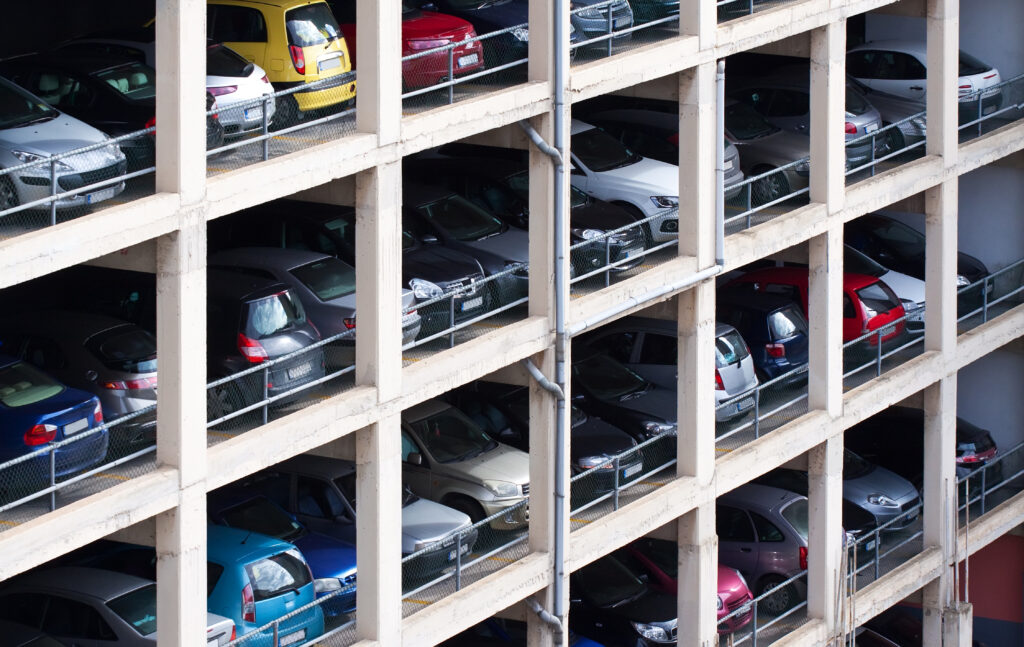
Traditional parking systems permanently designate bays as either casual or season parking.
Modern cloud-based parking platforms no longer need to operate this way.
A smarter approach is to divide parking inventory into three categories:
Reserved Bays
Dedicated parking for executives, VIPs or users with contractual rights.
Floating Season Bays
Season pass holders may park in any available bay within a designated zone.
Dynamic Shared Bays
These bays can automatically switch between casual and season use based on:
- Time of day
- Occupancy levels
- Reservation status
- Event schedules
- Building operating hours
For example, an office tower may release unused season parking to casual visitors after 10:30 a.m. once morning arrivals have stabilised. The result is higher utilisation without compromising season pass holders.
This dynamic allocation strategy increases parking efficiency, improves customer experience and maximises parking revenue.
Conclusion
There is no perfect casual-to-season parking ratio that applies to every development.
Every property has unique operating characteristics, user behaviour and commercial priorities.
The recommended ratios below provide an excellent starting point:
- Office Tower – 30 : 70
- Shopping Mall – 90 : 10
- Airport – 85 : 15
- Hotel – 80 : 20
- Hospital – 70 : 30
- College / University – 40 : 60
However, the most successful parking operators do not stop there.
They continuously analyse parking occupancy, user behaviour, turnover rates and peak demand, then dynamically adjust parking inventory using cloud technology and real-time analytics.
As smart cities continue to evolve, parking management is shifting from simply counting available bays to intelligently allocating the right bay to the right user at the right time.
That is where the future of smart parking truly begins.
03-8070 9933 | Email | www.timeteccloud.com | Interest Form