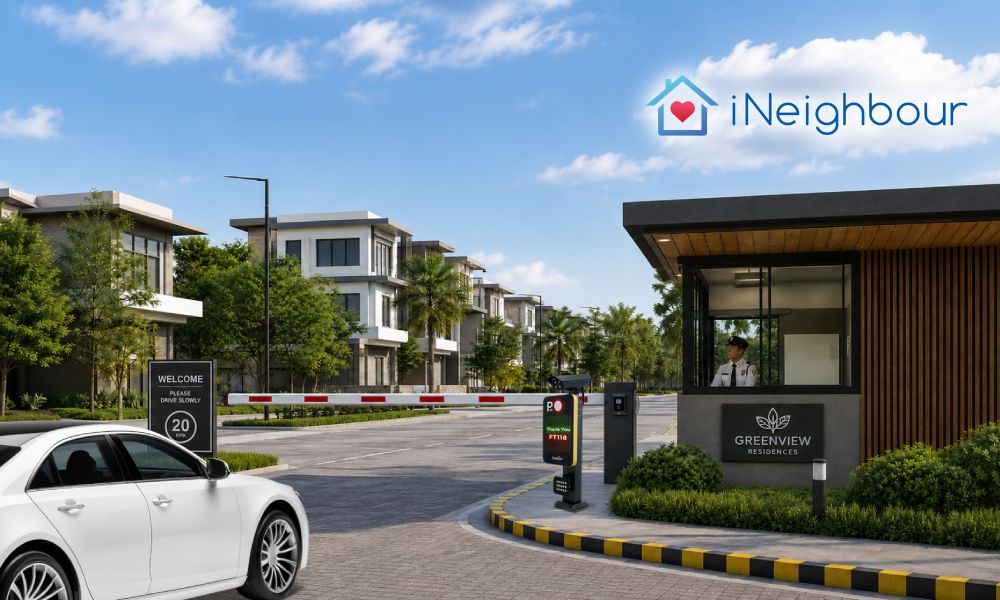
For anyone living in or managing a Malaysian gated community, or high-rise, access control is the most visible technology in daily life—the boom gate at the entrance, the card at the lobby, the app that lets a guest in. Yet behind this everyday routine lies an industry that has undergone significant transformation over the past 25 years. Within residential property management, access control has evolved from a way to guard the gate into the identity backbone of the entire community—and its journey mirrors Malaysia’s broader digital transformation.
As we move into an era where every system connects, it is worthwhile to look back at how residential access control has evolved and where it is heading next.
2000 – 2009: The Manual & Standalone Era
The early 2000s marked the era of manual, standalone access control.
In a typical Malaysian condominium of this period, security depended on simple devices and the guard on duty:
- Manual boom gates raised by hand at the guardhouse
- PIN keypads for restricted areas
- Handwritten visitor logbooks, with the guard phoning up to the unit to confirm a guest
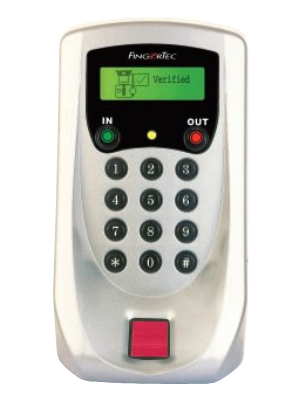
The management office’s primary objective was to keep the premises secure, and success depended largely on the guard’s alertness and the reliability of the hardware. Some developments already kept standalone door logs, but most systems operated independently, with little or no integration between vehicle access, resident entry, and visitor management. There was rarely any way to connect a car at the barrier to a person at the lobby, and the committee had little visibility into who came and went.
For residential property management, access control was essentially a manual, hardware-bound task.
2010 – 2019: The Identity-Based Era
As electronics and networking matured, residential access control moved from manual handling to automation and verified identity.
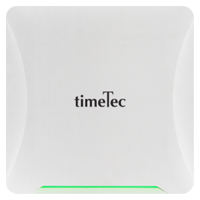
Developments began replacing hand-raised barriers and PIN keypads with systems that could recognize residents, guards, and vehicles automatically:
- Automatic barrier gates at the community entrance
- HF RFID resident cards for lobby and lift access
- UHF RFID cards or stickers for resident vehicles
During this period, the resident’s credential became the key differentiator rather than the lock. A lost card could be deactivated instantly. Every entry left a digital trace the committee could review.
Yet even as each system grew smarter, most still ran in isolation—the barrier gate, the door access reader, the visitor book, and the management accounts rarely spoke to one another.
The industry shifted from installing security hardware to deploying identity-based access systems for the community.
2020 – 2025: The Cloud Era
The rise of smartphones, cloud platforms, and touchless technology—accelerated by the pandemic—moved residential access control onto the resident’s phone.
Property management went app-powered, with the resident app becoming the hub of community living. Instead of queuing at the management counter or the guardhouse, residents could register, invite guests, and enter directly from their phones. This period was defined by:
- App-powered property management with a resident app at the centre of daily community life
- Digital visitor management—the resident invites a guest in the app, replacing the guard’s handwritten log
- Face recognition access at the lobby and lift
- License Plate Recognition (LPR) for resident and visitor vehicles at the entrance
- Cloud-managed access control, allowing the committee and manager to oversee permissions remotely, monitor events in real time, and integrate access with visitor, facility, and property management functions
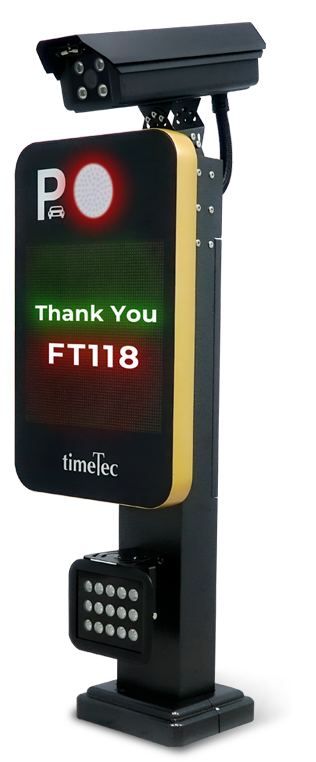
Recognition technology and cloud management became the foundation of modern community access, linking a face, a number plate, or a mobile credential directly to a verified resident identity—with less to tap and less to touch. For management, it meant fewer disputes, cleaner records, and less dependence on manpower at the guardhouse.
Access was no longer just about the gate.
2026 and Beyond: The Integrated Ecosystem Era
The next major transformation has already begun—and it is not about any single new device.
The most disruptive force in residential access control today is integration. Individually, gates, readers, apps, and recognition tools are already mature. The real leap forward comes from connecting them to the property management system, so that a community operates as one ecosystem rather than a collection of isolated tools, with intelligence layered on top.
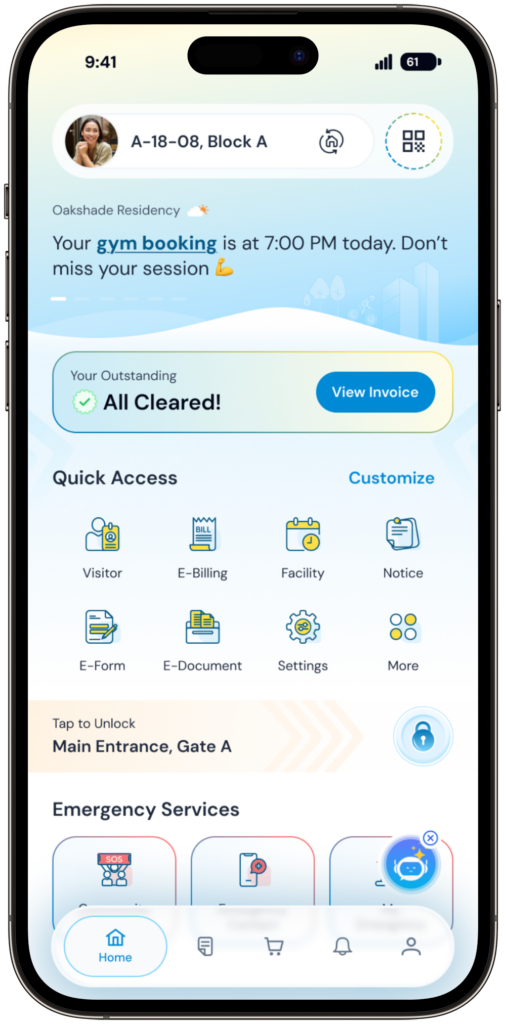
In an integrated platform, access is no longer a standalone action. It links directly to resident identity, facilities, and management administration:
- LPR linked to the defaulter list — when a unit in arrears reaches the barrier gate, the system can automatically enforce the property’s configured access policies, turning fee enforcement from an awkward manual conversation into a consistent rule.
- Door and lift access linked to defaulter status — where permitted by the property’s policies and applicable regulations, access privileges can respond automatically to a resident’s standing, so enforcement is applied fairly and the same way every time.
- BLE mobile access — Bluetooth Low Energy is beginning to turn the phone itself into a hands-free key, moving beyond QR and card credentials. Adoption in Malaysian residential property is still early, but it points clearly to where community access is heading.
- AI integration across the platform — AI increasingly assists the management office with routine administrative work: drafting notice content, generating formatted letters and saving them as attachments, recommending recipients, and helping build and pre-fill forms with suggested conditional logic—letting management review and approve rather than create documents from scratch.
The focus shifts from opening a single gate to orchestrating secure, seamless community living—where entry, visitors, vehicles, facilities, and fees all work as one. Access control becomes the identity thread that ties the whole property management system together.
The vision of a truly connected, intelligently managed community is becoming a reality.
The Future: Access as the Backbone of Community Living
The evolution of residential access control reveals a clear pattern:
- 2000 – 2009: The Manual & Standalone Era
- 2010 – 2019: The Identity-Based Era
- 2020 – 2025: The Cloud Era
- 2026 and Beyond: The Integrated Ecosystem Era
Each stage has built upon the previous one, transforming access control from a simple gate barrier into the identity backbone of an integrated property management platform.
In the years ahead, successful developments and management bodies will no longer compete solely on how many guards they deploy or gates they secure. They will compete on resident experience, ecosystem connectivity, credential flexibility, and how tightly access, identity, and community management work as one.
For a resident, the gate is no longer merely a way in or out. It has become the first and last digital touchpoint of their home, their community, and increasingly, an entire smart city ecosystem.