
The One Deduction You Are Allowed to Take Back
Every statutory payment a company makes is money gone. EPF, SOCSO, EIS, PCB, all of it leaves the business and does not come back. There is exactly one exception, and most employers treat it identically to the rest, which is precisely the mistake.
The HRD Corp levy, still widely called HRDF, is not a tax. It is a training fund the company pays into and is entitled to claim back. Treating it as just another line that disappears each month is how employers quietly hand their own money away.
What the Levy Actually Is
Under the Pembangunan Sumber Manusia Berhad Act 2001, an employer with ten or more Malaysian employees in a covered sector must register with HRD Corp and pay a monthly levy of 1 per cent of wages. Employers with five to nine may register voluntarily at 0.5 per cent.
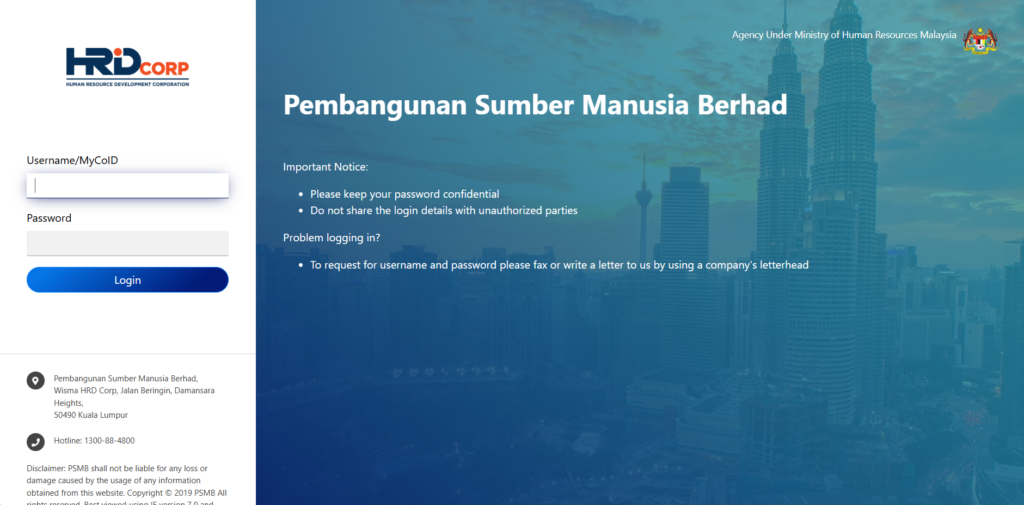
The levy is calculated on basic salary and fixed allowances, and excludes variable pay such as overtime, bonuses, and commissions. What makes it different from every other statutory deduction is what happens next: the money sits in the company’s own training account, and it can be reclaimed to pay for approved training through the eTRiS portal.
The First Mistake: Not Realising You Owe It
The threshold is the trap most growing companies fall into. A business hires past its tenth Malaysian employee, keeps running payroll the way it always has, and does not register with HRD Corp because nobody flagged that the obligation had just switched on.
Registration is not optional once you cross the line, and the levy is enforceable. A company that grew through the threshold without noticing is not saving money by staying quiet. It is accruing a compliance gap that surfaces the moment HRD Corp looks.
The Second Mistake: Paying It and Forgetting It
The larger waste is quieter, and it happens at companies that pay the levy faithfully. They treat it as a sunk cost, never submit a single training claim, and let the balance sit unused year after year.
That is money the company already paid, earmarked for developing its own people, left on the table. The levy was designed to be spent on training the workforce; an employer who ignores it has funded a benefit and then declined to collect it. As the argument in The Government Will Pay You to Raise Wages showed, there is real public money aimed at Malaysian employers who develop their staff, and the levy is the version you have already paid for.
Where the Levy Should Be Handled
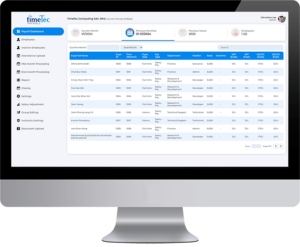
Getting the levy right starts with calculating it on the correct base, because the wage figure it applies to is not the same as the one used for EPF or SOCSO. TimeTec Payroll calculates the HRDF levy automatically on basic salary and fixed allowances, alongside the other statutory contributions, so the amount owed each month is right by default rather than estimated by hand. The claiming happens on the HRD Corp side, but it can only ever be as accurate as the levy that funded it.
Get the levy wrong and you either underpay, which is a liability, or overpay, which you then compound by never claiming it back.
Money You Paid Is Still Money You Can Use
The HRD Corp levy is the only statutory payment that was never meant to leave for good. It is a training budget the company builds up one month at a time, and the only way to lose it is to ignore it.
Every other deduction is spent the moment it is paid. This one is only spent when you decide not to use it.