
The Switch That Unlocks the Return
An HRMS changes how an HR team works. It moves leave, claims, payslips, and attendance out of one overstretched inbox and puts them in the hands of the people they belong to. The capability is real, and for the companies that use it fully, so is the payoff.
The difference between those companies and the ones still feeling stretched is rarely the software. It is how completely the team adopted it. The system delivers its biggest return not when it is installed, but when employees actually use it.
Who Gains When Self-Service Sticks
The value of self-service is in who does the work, and the benefit lands on everyone.

For employees, it is simply easier. They apply for leave, submit a claim with the receipt, and check a payslip from their phone at any hour, without waiting for HR to be free, and approvals come back faster with fewer disputes over what was sent and when.
For the HR team, every one of those self-served actions is a task removed. The hours that went into re-keying forms and chasing missing details come back, and the team spends them on work that needs a person, people, policy, and planning, rather than data entry.
For the company’s bottom line, the gains are concrete. Fewer manual touchpoints mean fewer of the payroll and leave errors that cost money to correct, administrative cost falls, and clean data in one system supports better decisions.
And for the company as a whole, a workforce that runs on self-service scales without adding HR headcount for every new hire, keeps records consistent and audit-ready, and runs on live data rather than guesswork.
Taken together, this is the return a connected HR system is built to deliver, and adoption is what turns it from a promise into a result.
Where the Value Quietly Leaks
The full benefit slips only when the old manual channel is left open beside the new one. An employee sends a leave request over WhatsApp, HR keys it in to be helpful, and without anyone intending it, the workaround starts competing with the system.

The system is doing its job. The habit around it is undoing part of the benefit. Each request handled the old way teaches the workforce that self-service is optional, and optional is the enemy of adoption. The fix is not more software; it is closing that back door so the system becomes the way things are done.
How to Get the Full Value
Adoption is a decision a company makes, not a feature it waits for. It is won by making self-service the channel, putting it in employees’ hands on mobile, and onboarding people properly so the app is the obvious first stop, not an afterthought.
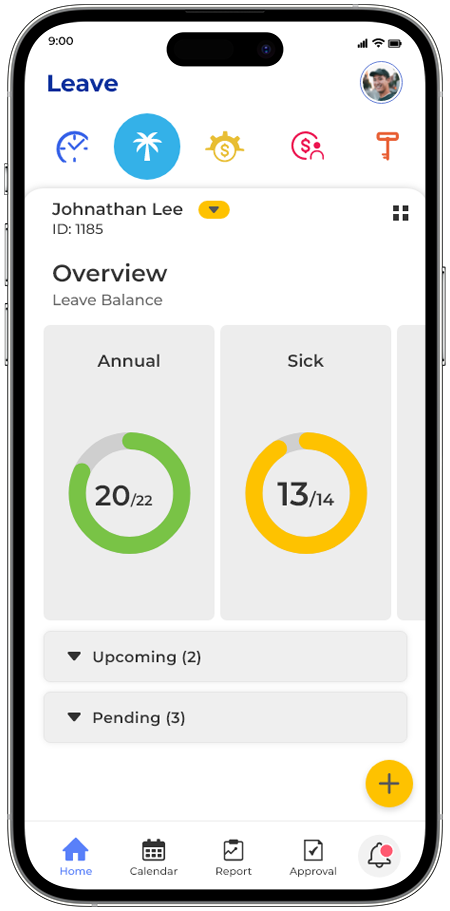
TimeTec HR is built for exactly this, with leave, claims, payslips, and attendance in an employee app simple enough that people actually use it, which is what turns the capability into the return. As the argument in Your Expense Claim Process Still Runs on WhatsApp showed, a process only moves into the system when the chat-thread alternative is closed, not merely offered alongside it.
A System Delivers When Your Team Uses It
An HRMS is not a cost that sits still. It is an investment that pays back in proportion to how much of the workforce actually uses it, and the companies getting the most from theirs are simply the ones that made the switch complete.
The capability was always there. Adoption is what turns it into hours HR gets back, money the company stops losing to errors, and a workday that is easier for everyone on it.