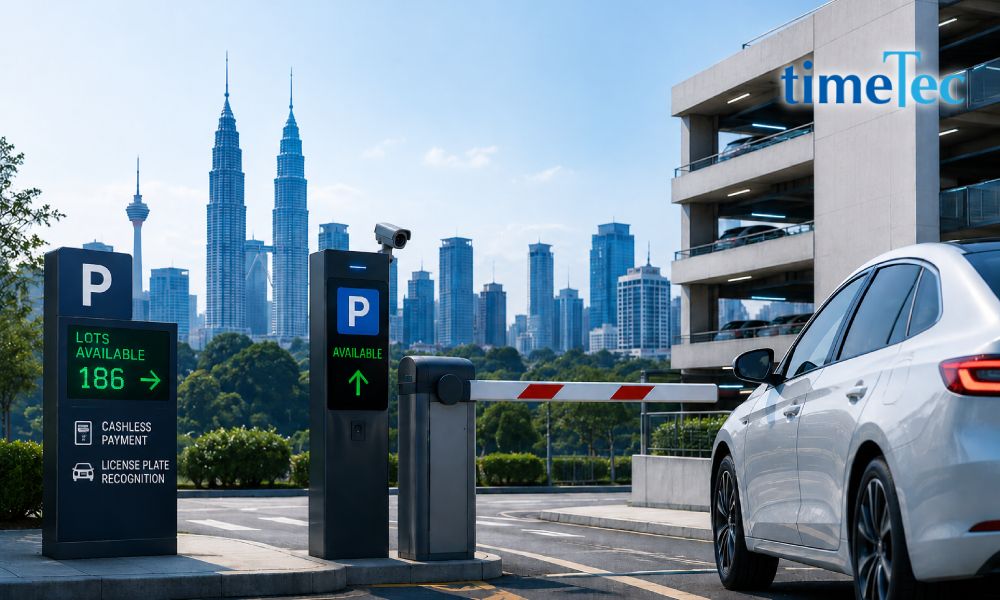
Parking may appear to be a simple activity—enter, park, pay, and leave. Yet behind this daily routine lies an industry that has undergone significant transformation over the past 25 years. The evolution of parking technology in Malaysia mirrors the country’s broader digital transformation journey, progressing from hardware-centric systems to software platforms, payment ecosystems, and now, artificial intelligence.
As we move into the AI era, it is worthwhile to look back at how the parking industry has evolved and where it is heading next.
2000 – 2009: The Hardware-Driven Era
The early 2000s marked the era of hardware-driven parking systems.
During this period, parking operators focused heavily on physical infrastructure such as:
- Entry and exit barrier gates
- Ticket dispensers
- Cashier booths
- Auto-pay stations
- Cash collection equipment
The industry’s primary objective was to reduce manpower and improve operational efficiency through automation. Although auto-pay stations were introduced to support unmanned operations, cash remained the dominant payment method.
Success was often measured by the quality and reliability of hardware. Parking systems were largely standalone installations with minimal integration to other systems.
The parking business was essentially an equipment business.
2010 – 2019: The Software-Driven Era
As internet connectivity and cloud technologies became more accessible, software started taking center stage with the dawn of cashless payment in parking industry.
Besides Touch n’ Go card entered the market as a single dominant cashless parking payment provider, parking operators began demanding more than simple entry and exit control. They needed systems capable of managing increasingly complex parking environments, including:
- Casual parking
- Season parking
- Valet parking
- Visitor parking
- On-street parking
- Multi-site parking management
Cloud-based parking management systems emerged, enabling centralized monitoring, reporting, and administration across multiple locations.
During this period, software became the key differentiator rather than hardware. Operators sought flexibility, customization, and integration capabilities to support diverse business models and operational requirements.
The industry shifted from selling parking equipment to delivering parking solutions.
2020 – 2025: The Payment-Driven Era
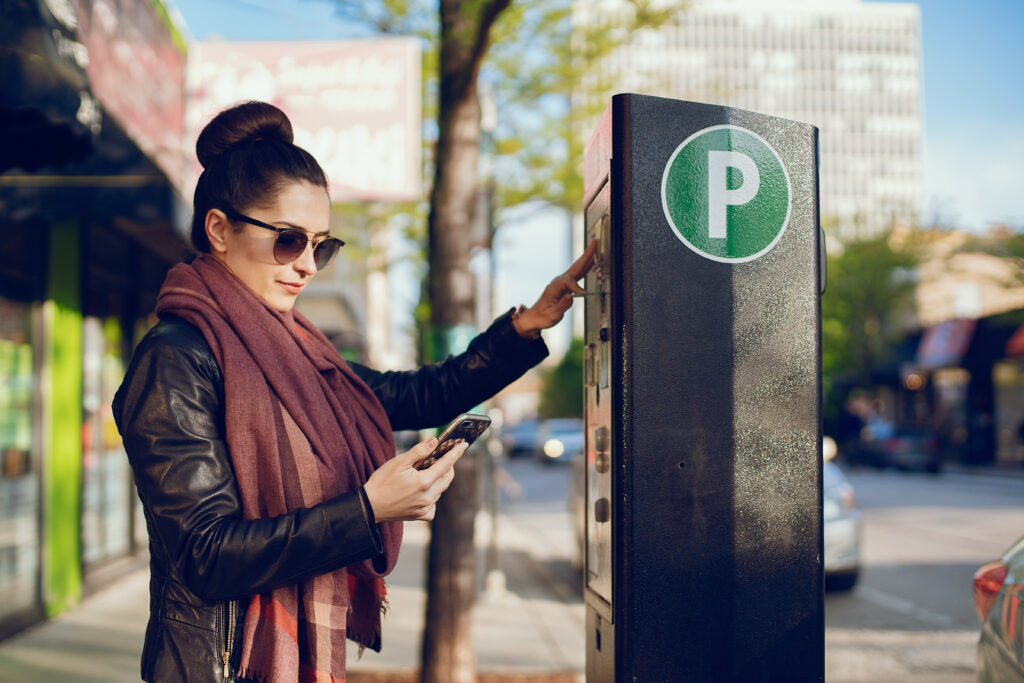
The rise of digital payments and License Plate Recognition (LPR) technology fundamentally changed the parking experience.
While Touch ‘n Go cards had long dominated cashless parking, users increasingly demanded greater convenience and more payment choices. As a result, parking operators began supporting multiple payment channels, including:
- Touch ‘n Go Cards
- Debit and Credit Cards
- DuitNow QR
- Online Payment Gateway for Season Parking
- POS Terminals
- eWallets
- eWallet Direct Auto-Deduction

LPR technology became the foundation of modern parking operations by linking vehicles directly to digital payment methods and user identities.
Parking operators no longer viewed parking as an isolated service. Instead, parking became a gateway into a larger digital ecosystem involving:
- Smart buildings
- Smart communities
- Tenant engagement
- Loyalty programs
- Visitor management
- Facility booking
- E-Invoicing
- Property management services
The focus shifted from simply collecting parking fees to creating seamless, cashless, and touchless user experiences.
Parking was no longer just about parking.
2026 and Beyond: The AI-Driven Era
The next major transformation has already begun.
Artificial Intelligence is set to become the most disruptive force the parking industry has ever experienced.
Unlike previous technological shifts that focused on hardware, software, or payments, AI introduces intelligence and decision-making capabilities into parking operations.
Future AI Agents will assist or automate tasks such as:
- Customer support and inquiries
- Parking operations monitoring
- Incident management
- Revenue analysis
- Settlement reconciliation
- Equipment diagnostics
- Predictive maintenance
- Enforcement monitoring
- Occupancy forecasting
- Dynamic pricing recommendations
Parking operators will increasingly deploy AI-powered digital assistants that work around the clock, reducing dependence on manpower while improving service quality and operational efficiency.
For users, AI will deliver faster issue resolution, personalized parking experiences, and more accurate information. For operators, AI will unlock higher productivity and lower operating costs.
The vision of a truly unmanned parking environment is becoming a reality.
The Future: Parking as a Digital Gateway
The evolution of parking technology reveals a clear pattern:
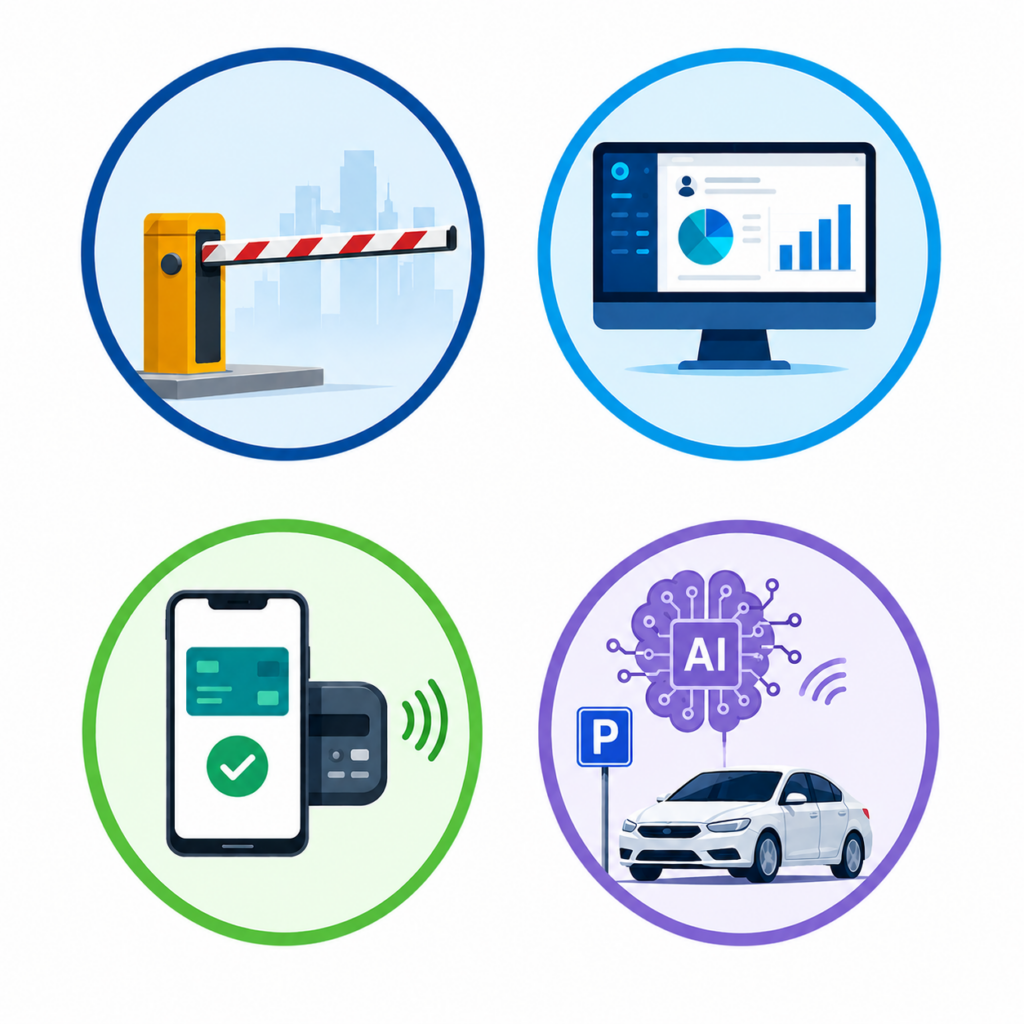
- 2000 – 2009: Hardware Driven
- 2010 – 2019: Software Driven
- 2020 – 2025: Payment Driven
- 2026 and Beyond: AI Driven
Each stage has built upon the previous one, transforming parking from a simple infrastructure service into a sophisticated digital platform.
In the years ahead, successful parking operators will no longer compete solely on the number of parking bays they manage. They will compete on user experience, ecosystem connectivity, payment flexibility, and AI-powered operational excellence.
Parking is no longer merely a place to leave a vehicle. It has become the first and last digital touchpoint of a building, a community, and increasingly, an entire smart city ecosystem.
03-8070 9933 | Email | www.timeteccloud.com | Interest Form