
Every year, the same problem returns. As December approaches, HR reviews the leave report and finds employees with days left to take, managers struggling to accommodate last-minute requests, and questions about what happens to the remaining balances. Should those days carry forward, be paid out, or simply disappear?
For companies managing unused annual leave in Malaysia, the answer is not entirely up to company policy. The Employment Act 1955 sets out when annual leave must be taken and the circumstances under which it can expire or be converted into payment. Understanding these rules before year-end can prevent unnecessary disputes and unexpected costs.
What the Law Says About Unused Annual Leave

Under Section 60E of the Employment Act 1955, employees are entitled to a minimum of 8 days of annual leave for less than two years of service, 12 days for two to five years, and 16 days for five years or more. When employment ends during an incomplete service year, entitlement is calculated proportionately based on completed months of service. These provisions apply to employees in Peninsular Malaysia and Labuan, while Sabah and Sarawak are governed by their respective labour ordinances.
The Act also sets a deadline. Employers must grant, and employees must take, their annual leave within 12 months after the end of the relevant 12-month continuous service period. Employees who fail to take their leave within that period generally lose their statutory entitlement to those days.
This does not mean unused leave automatically expires on 31 December. The applicable deadline depends on the relevant service period and any more favourable employment terms. Companies can establish their own carry-forward arrangements, but these must not reduce employees’ statutory rights.
Three Options for Unused Annual Leave
When employees have outstanding leave, companies generally consider three approaches. Each comes with different conditions under the law and the employment contract.
| Option | What It Means | What HR Should Know |
|---|---|---|
| Carry forward | Unused days move into the next leave period, usually subject to a limit. | Company policies can determine carry-forward arrangements, provided statutory entitlements are protected. |
| Encash | Employees receive payment instead of taking their leave. | Payment in lieu is required where employees agree in writing, at the employer’s request, not to take their statutory leave. Additional encashment may be offered under company policy. |
| Forfeit | Unused leave expires after the applicable deadline. | Statutory leave may lapse after the period prescribed by the Act, subject to more favourable contractual terms and the employer’s obligation to grant leave. |
A company may allow employees to carry forward a limited number of days while providing additional arrangements for unused leave. However, these rules should be documented clearly, communicated in advance and applied consistently.
When Can Unused Annual Leave Be Forfeited?
Forfeiture is often where disagreements begin. An employee may expect unused days to carry forward, while HR assumes they will expire. Without clear communication, both parties can reach the end of the year with very different expectations.
Section 60E(2) allows statutory annual leave entitlement to lapse when employees fail to take it within the prescribed period. However, the same provision also requires employers to grant that leave. If leave applications are repeatedly rejected or postponed, disputes may arise over whether the employer fulfilled this obligation.

A clear leave policy should establish the applicable deadlines, carry-forward limits and treatment of unused balances. Managers should also monitor outstanding leave and arrange sufficient opportunities for employees to take it, rather than leaving every application until the final weeks.
Unused Leave Can Become a Financial Liability
Unused annual leave is not just an administrative concern. Outstanding annual leave can also carry a financial cost. Depending on the employee’s entitlement and employment terms, companies may need to account for unused leave that employees can take or receive payment for later.
Under Section 60E(3A), employees whose employment ends before they have taken their outstanding statutory annual leave are generally entitled to payment at their ordinary rate of pay. An exception applies to employees dismissed under Section 14(1)(a).
This means an employee leaving with outstanding eligible leave may trigger an additional payment beyond their final salary. For companies with large workforces, these amounts can become significant when multiple employees leave or when contractual policies allow substantial leave balances to accumulate.
Keeping balances accurate and reviewing outstanding entitlements regularly helps HR and finance anticipate these costs instead of discovering them during final salary processing.
Don’t Let It All Land in December
Annual leave becomes a year-end problem when nobody notices the growing balances until employees start rushing to clear them. By then, managers may struggle to approve overlapping requests, especially during busy operating periods.
Instead of waiting for December, HR should review leave balances throughout the year, communicate applicable deadlines and encourage employees to plan their time off earlier.
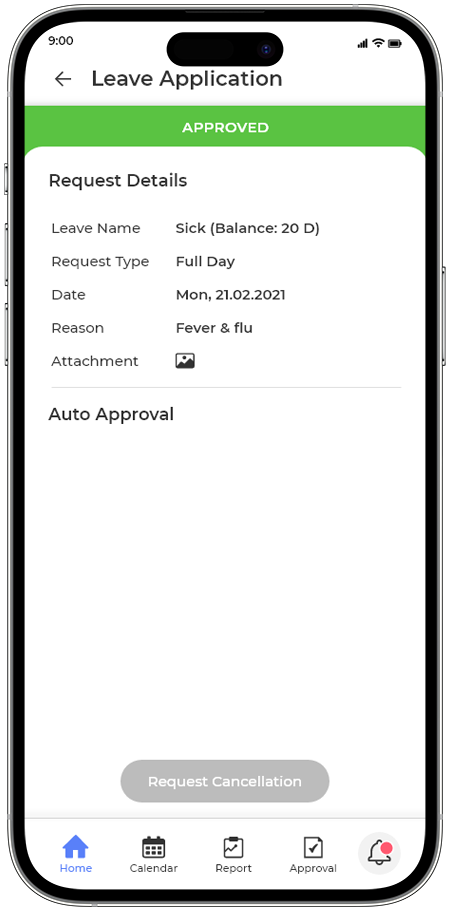
With TimeTec Leave, HR can monitor employee leave balances, configure carry-forward limits, automate eligible balance transfers and generate leave reports for better workforce planning. Employees can also check their entitlements and submit leave applications directly through the system, giving both sides greater visibility throughout the year.
Unused annual leave does not have to become a last-minute problem. When companies understand their legal obligations, establish clear policies and keep leave records up to date, the decision to carry forward, pay out or forfeit unused days becomes easier to manage, without leaving employees or HR guessing.