When the Inquiry Clears Someone You Are Sure Is Guilty
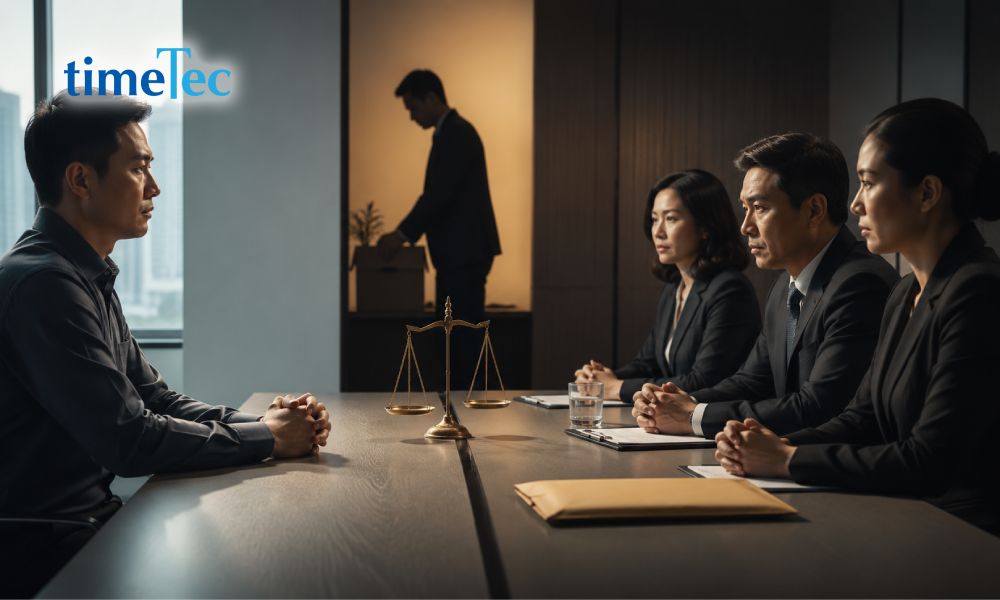
An employee you are certain is guilty sits through your domestic inquiry, and the panel comes back with a verdict: not guilty. Now you feel trapped. The misconduct happened, you know it did, but your own inquiry has cleared him, and dismissing him now looks like the fast lane to an unfair dismissal claim.
Most Malaysian employers believe that not-guilty finding ties their hands completely. A 2026 decision of the Industrial Court says it does not, and it overturns one of the most common misconceptions in how companies handle discipline.
What the Court Actually Held
In Mohd Dzulkarnain Bin Shaharud-Din v TM Technology Services Sdn Bhd (Award No. 245 of 2026), a domestic inquiry panel exonerated the employee of the misconduct charges against him. The employer’s disciplinary committee disagreed with that finding and dismissed him. The employee challenged the dismissal as unfair, resting his case squarely on the “not guilty” outcome of the inquiry.

The Industrial Court rejected that argument. It held that an employer is not bound by the findings of its own domestic inquiry panel, even a finding of not guilty. The inquiry, the Court explained, is primarily a fact-finding mechanism. Its conclusions are not final, and they do not tie the employer’s hands.
Fact-Finding, Not a Final Word
The reasoning matters more than the result. A domestic inquiry exists to gather and test facts, not to deliver a binding verdict on whether someone keeps their job. The employer retains the inherent power to reach a different conclusion from the panel, on one condition: it must apply its mind to the evidence and record its reasons for disagreeing.
There is a second reason the inquiry does not settle the matter. When a dismissal is challenged, the Industrial Court hears the case from the beginning and does not defer to the panel at all. It is not checking whether the panel got it right. It re-examines the evidence itself and decides, on the balance of probabilities, whether the misconduct actually happened and whether it justified dismissal. The panel’s finding is simply not the question the Court is answering.
This Is Not a Licence to Overrule
It would be a serious misreading to take this as permission to treat the inquiry as theatre. The Court was explicit that an employer should not lightly disregard a not-guilty finding. Overturning one demands genuine engagement with the evidence and a documented, reasoned basis, not a committee’s preference for a different outcome.
So the power to differ is real, but it is conditional, and the condition is the whole point. An employer who dismisses in the face of an acquittal without a defensible, evidence-based reason has not exercised a lawful discretion. It has invited the Industrial Court to find against it, this time with the panel’s own finding as a starting point in the employee’s favour.
Where the Defensible Decision Is Built
This is where the case stops being about procedure and becomes about records. Because the Industrial Court decides on the evidence before it, not the inquiry’s verdict, everything turns on what the employer can produce and how well it is documented. A dismissal survives when the misconduct is provable and the reasoning is recorded. It collapses when the case rests on recollection.
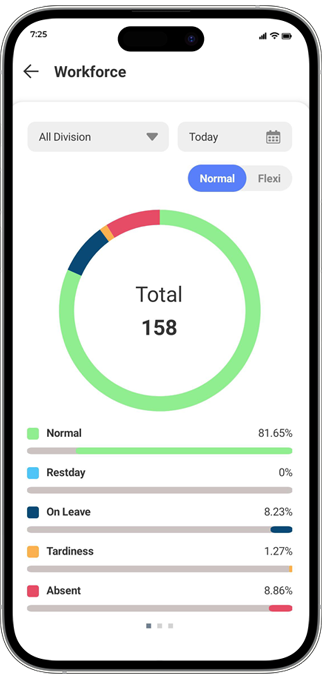
That evidentiary foundation is an operational asset, not a legal afterthought. TimeTec HR holds the attendance, leave, and activity records, timestamped and carried with an audit trail, that a disciplinary decision has to stand on when it is reheard from scratch. The same principle drove You Can’t Just Fire a No-Show: the Industrial Court judges the employer on the evidence and the process, never on the employer’s certainty. This case adds the other half. A favourable inquiry does not save a weak case, and an unfavourable one does not sink a strong, well-documented one.
The Inquiry Informs. The Employer Decides. The Court Judges.
The domestic inquiry was never the trial, and its finding was never the verdict. It is one input into a decision the employer owns and must be prepared to defend on the evidence.
A not-guilty finding is not a shield. A reasoned, documented case is.