
What are CP22 and CP22A in Malaysia?
CP22 and CP22A are tax forms in Malaysia that employers use to notify LHDN about employment changes. CP22 is used for new employees, while CP22A is used when employees leave private sector employment. These forms help employers keep tax records updated, support payroll administration, and reduce tax compliance issues.
This is not routine paperwork. When employees join or leave a company, employers need accurate records, correct tax details, and proper follow-through on salary and payments. Handling CP22 and CP22A on time helps employers stay organized and better prepared for tax responsibilities.
Table of Contents
- What are CP22 and CP22A in Malaysia?
- What is CP22 and when should employers submit it?
- What is CP22A and when is it required?
- Why do employers need to submit these forms?
- What information is needed before employers submit?
- How can employers submit these forms step by step in Malaysia?
- What are common mistakes employers should avoid?
- What happens after employers submit the forms?
- How can employers manage this process more efficiently?
- Conclusion
- Frequently Asked Questions (FAQ)
What is CP22 and when should employers submit it?
CP22is the form used to notify LHDN about new employees. Companies must submit the notification within 30 days from the date employees start work, and new employee submissions are handled through e-CP22.
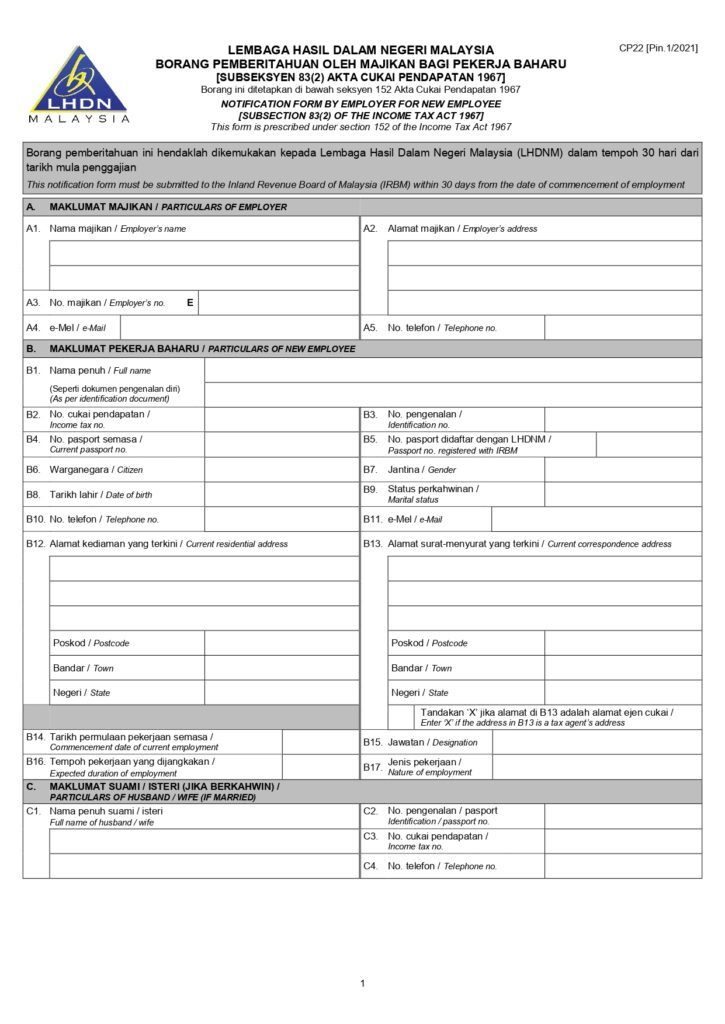


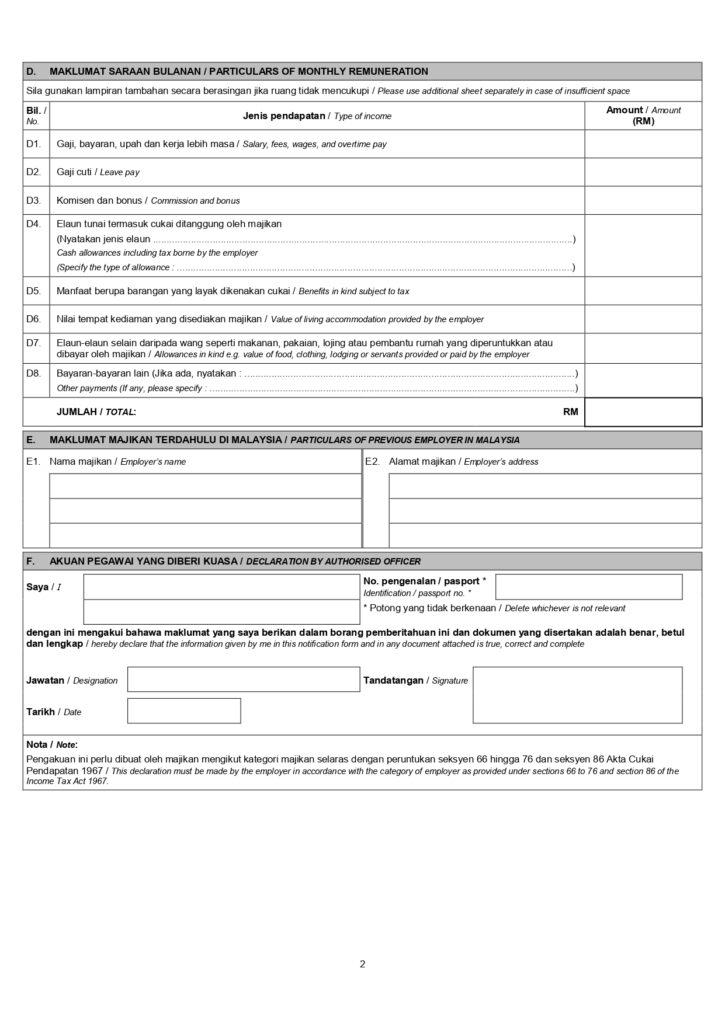
For example, if a company hires a payroll executive on 3 March, the HR team should prepare the employee’s identification details, joining date, tax reference details if available, and payroll information before they submit CP22. This helps ensure the employee’s tax records are captured correctly early.
What is CP22A and when is it required?
CP22A is the form used when employees leave private-sector employment due to resignation, termination, retirement, or death. Companies must submit CP22A not less than 30 days before cessation of employment, or within 30 days after being informed of an employee’s death.
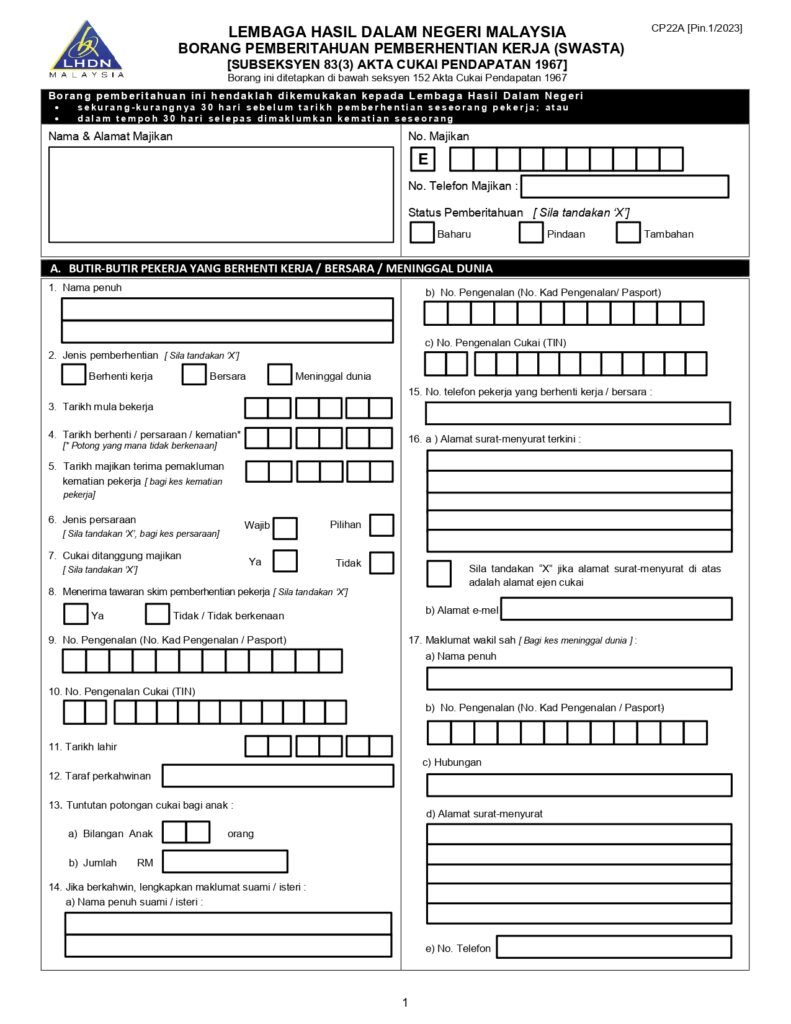
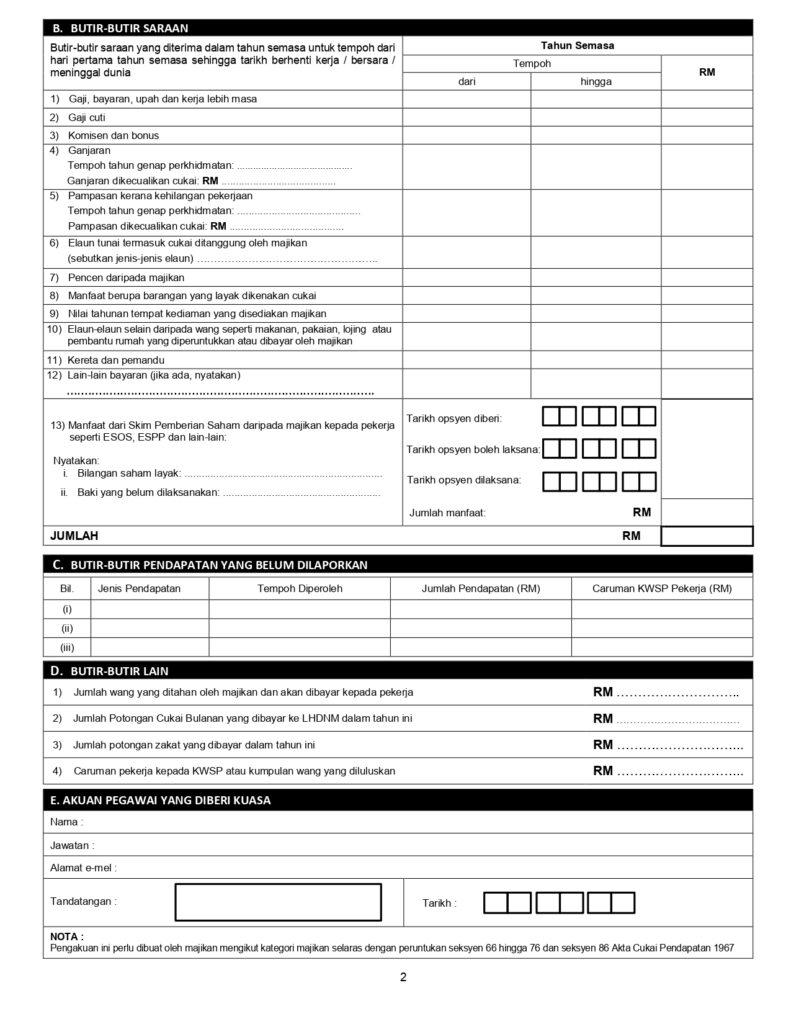
For example, if an employee resigns and the last working day is 30 June, the HR team should review salary, allowances, bonus, commissions, and other amounts early, then submit CP22A within the required timeline. Leaving this to the final minute creates more confusion than convenience for both companies and employees.
Why do employers need to submit these forms?
These forms matter because tax compliance does not stop at monthly payroll deductions. LHDN uses CP22 and CP22A notifications to keep employee tax records current when employees join or leave. Accurate submission supports better tax administration, clearer payroll records, and smoother handling of final payments.
This matters when employees are leaving. Employers may need to review salary, benefits, incentives, or other payments before the process is completed. Good records make it easier to submit the required tax details accurately and reduce delays later.
What information is needed before employers submit?

Before employers submit, they should gather employees’ full names, identification details, tax reference information, employment dates, payroll records, and relevant payments. HR teams may also need to review allowances, bonus payments, commissions, or other sums connected to the employee’s service.
This step may seem straightforward, but it often determines whether the submission goes smoothly. Missing employee details, outdated tax information, or incomplete records can slow everything down. Clean records help employers submit with more confidence and help employees avoid unnecessary tax issues later.
How can employers submit these forms step by step in Malaysia?
Businesses in Malaysia can manage these CP22 and CP22A submissions with a simple step-by-step process.
Step 1: Gather employee records
Collect the employee’s personal details, employment dates, tax reference information, and payroll data. HR teams should ensure records for employees are current before employers submit anything.
Step 2: Review salary and payments
Check employees’ monthly salary, allowances, bonuses, commissions, and any final amounts that may affect tax handling. This is important when employees are leaving, and tax clearance depends on accurate payroll information.
Step 3: Complete the correct form
Use CP22 for new employees and CP22A for employees who are ceasing private sector employment. Review each field carefully before submission.
Step 4: Submit within the required timeline
Submit through the proper LHDN channel within the deadline. Timely submission helps businesses stay compliant and reduces the risk of tax delays in Malaysia.
Step 5: Keep supporting records
After submission, keep copies of forms, payroll records, employee data, and supporting documents for future reference. Good record-keeping helps teams answer employee queries and manage subsequent tax matters.
What are common mistakes employers should avoid?
One common mistake is waiting too long to prepare. Another is focusing only on the form while overlooking the employee records and amounts behind it. Employers may also face issues when tax numbers are missing, names do not match official records, or final payments are not reviewed properly.

Another mistake is assuming every case is the same. New employees, retiring employees, and employees who resign may involve different timing or supporting details. When teams use a checklist and verify records early, the process becomes more accurate and far less stressful in Malaysia.
What happens after employers submit the forms?
After the forms are submitted, HR, payroll, and finance should remain aligned. For employees who are leaving, the next steps may involve confirming whether there are further tax actions, whether money should be retained temporarily, and whether final amounts can be released at the appropriate time.
This stage matters because businesses still need accurate employee records, tax handling, and supporting documents if questions arise later.
How can employers manage this process more efficiently?
The real challenge is not simply understanding these forms once. It is managing employee movements, tax deadlines, records, and submissions accurately every time. When several employees join or leave within a short period, manual tracking can easily lead to missed details, late submission, or incomplete records.

In short, CP22 and CP22A are important parts of employee tax compliance in Malaysia. When records are accurate and submissions are handled on time, businesses can reduce delays and stay better prepared for tax obligations.
Conclusion
With TimeTec HR, businesses can keep employee records organized, track employment changes more easily, and prepare the information needed for payroll and compliance tasks with less manual work. This helps HR teams manage employees more efficiently while staying better prepared for required tax submissions in Malaysia.
Frequently Asked Questions (FAQ)
1. What is the difference between CP22 and CP22A?
CP22 is used for new employees, while CP22A is used for employees in the private sector who are ceasing employment.
2. Is CP22 still submitted manually in Malaysia?
No. Companies now submit new employee notifications through e-CP22 rather than manual filing.
3. When should employers submit CP22A?
Employers should submit CP22A not less than 30 days before cessation of employment, or within 30 days after being informed of an employee’s death.
4. Why should employers review final payments before submission?
Final payments such as salary, bonus, commissions, or other sums can affect tax handling, so employers should review these details carefully before they submit the relevant form.