
For the past decade, the concept of a smart community has been largely defined by technology infrastructure.
Developers and property managers typically focus on systems such as:
- Smart security
- Visitor management
- Access control
- Facility booking
- Smart parking integration
- IoT-enabled building operations
- Property Management Accounting System
- Payment Gateway Integration
These technologies are important because they improve safety, efficiency, and convenience.
But if we step back and look at what truly defines a thriving community, another layer becomes equally important — knowledge infrastructure.
A community that shares knowledge becomes stronger, more connected, and more resilient.
The Missing Layer in Smart Community Design
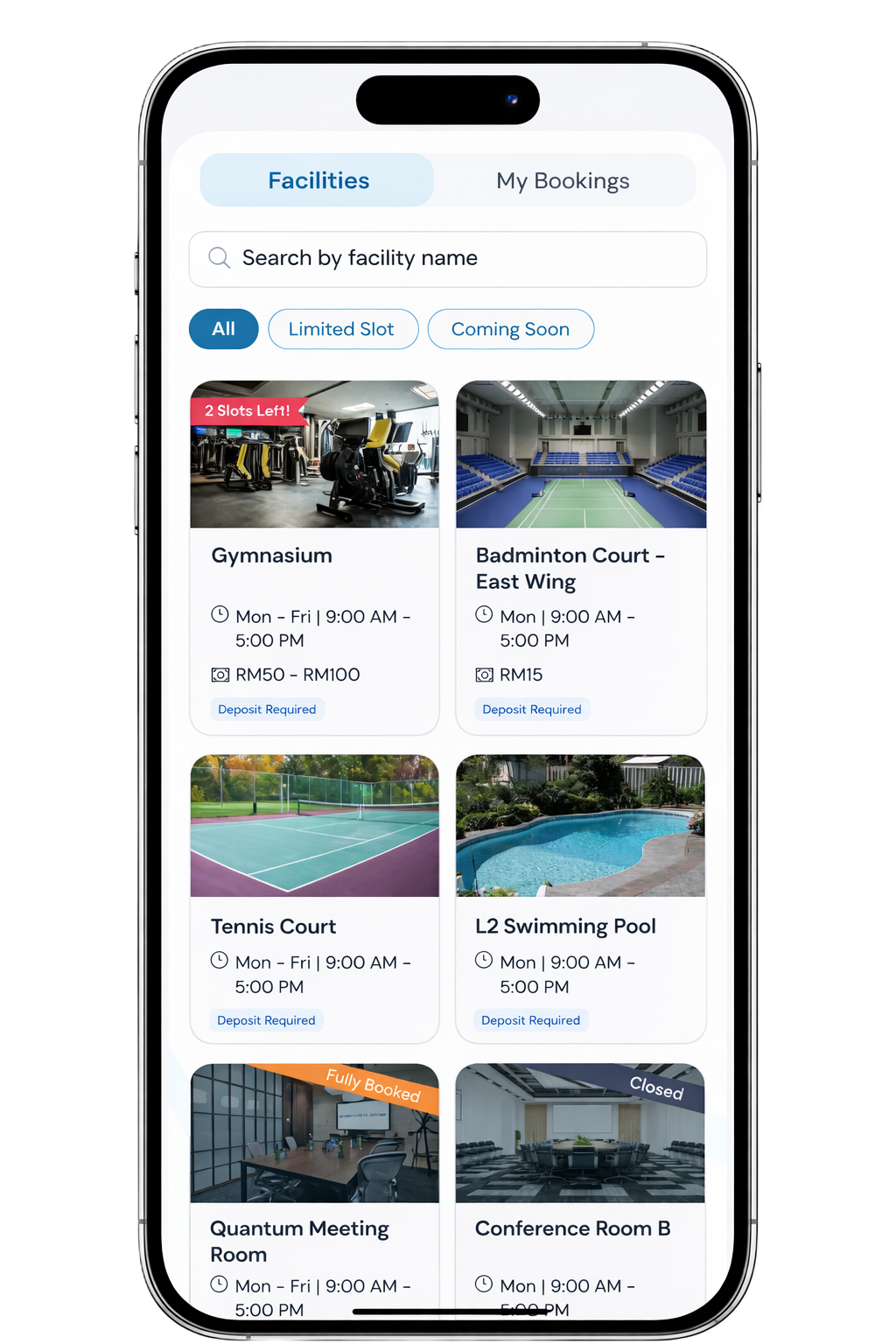
Most residential developments invest heavily in physical infrastructure:
- Gyms
- Swimming pools
- Landscaped gardens
- Multi-purpose halls
While these amenities encourage recreation and relaxation, very few communities invest in intellectual and cultural infrastructure.
Historically, public libraries served this role in cities.
They were places where people could access knowledge, discover ideas, and develop intellectually.
However, modern urban living has gradually reduced access to such shared learning environments within residential neighborhoods.
As cities become denser, and lifestyles become busier, the opportunity to create knowledge-sharing spaces inside communities becomes increasingly valuable.
Digital Technology Makes Community Libraries Possible Again
In the past, building a community library required:
- A dedicated physical space
- A large collection of books
- Manual borrowing systems
- Ongoing administration
These barriers made it difficult for most residential developments to sustain a library.
But today, digital technology changes the equation.
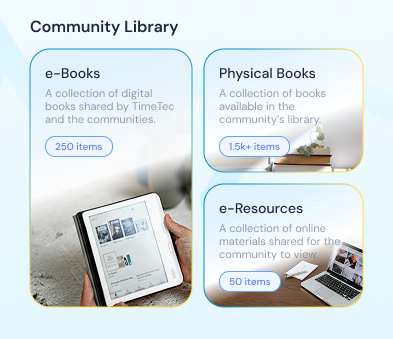
A digital community library can now be integrated directly into a smart community platform.
Through the Community Library module in iNeighbour V2.0, residents gain immediate access to curated reading materials, including over 3,000 eBook titles across diverse subjects.
This allows communities to introduce knowledge infrastructure without the logistical challenges of a traditional library.
Residents can begin exploring books, ideas, and learning resources instantly.
From Individual Reading to Community Knowledge
What makes a community library meaningful is not just access to books, it is the culture it creates.
When residents begin reading and sharing knowledge within a neighborhood, new forms of interaction emerge:
- Parents introducing reading to children
- Professionals exchanging ideas
- Neighbors recommending books
- Communities organizing reading discussions
Over time, knowledge becomes a shared community asset rather than an individual activity.
This strengthens the social fabric of the neighborhood.
Preparing for the Next Stage of Community Learning
The digital library provides an immediate starting point.
But its long-term impact can go further.
As communities embrace the culture of reading, they may gradually introduce:
- Physical book collections contributed by residents
- Reading clubs and community learning groups
- Children’s storytelling events
- Educational activities within the neighborhood
Technology provides the platform, but community participation gives it life.
A Smarter Definition of Smart Communities
A smart community should not only optimize infrastructure.
It should also nurture intellectual growth and human connection.
By introducing knowledge infrastructure into the residential environment, communities can evolve from being simply well-managed spaces to becoming learning communities.
This is the vision behind the Community Library module in iNeighbour V2.0.
Because in the future of urban living, the smartest communities will not only be connected by technology — they will also be connected by knowledge.