
Most developments put real effort into the way visitors come in — pre-registration, ID checks, a pass issued at the gate. The way they leave is treated as an afterthought. The barrier lifts, the car drives off, and everyone assumes the visit has closed itself. But the visitor check-out is where the record quietly breaks. Entry is verified against a person; exit, in most communities, is verified against nothing at all.
The exit is the visit you never actually check.
Why the Visitor Check-Out Is the Weakest Point in the Visit
When a guard hands out a pass and takes it back, the check-out confirms one thing: a pass came back. It does not confirm which vehicle drove out, or whether the car leaving is the car that arrived. The pass says “plate B,” but nothing at the exit re-reads the plate to be sure. On a card-based system it’s the same story — the credential is what gets recorded, not the vehicle attached to it.
That gap sounds academic until you look at what depends on it. Your on-site list and your after-incident trail both assume the exit record is true. If a visit closes against a plate the system never re-verified, everything built on top of it inherits the error. And unlike an entry mistake, an exit mistake is invisible: the barrier lifted, the queue cleared, the day moved on.
What an Unverified Exit Actually Costs
Two things depend on a reliable exit, and both are about the record, not the parking bay.
The first is the on-site list. “Who is still inside right now” is only correct if departures are logged against the actual vehicle. When a visit closes against a pass rather than the car, the live list can show a visitor as gone when they’re still on-site, or still present when they left hours ago. The guardhouse ends up trusting a list that no longer matches who is physically in the community.
The second is the security trail. When an incident prompts a review of “who was here and when did they leave,” a check-out tied to a returned pass gives you a departure time against a slip, not against a vehicle. That is exactly the detail an investigation needs, and the manual exit cannot supply it.
None of this means the guardhouse is doing anything wrong. Verifying every exit by hand, plate by plate, on top of everything else at the gate, was never realistic. The exit was left unverified because there was no practical way to verify it — until the credential became the vehicle itself.
LPR Closes the Visit Against the Actual Vehicle
This is where iNeighbour with LPR changes the exit from an assumption into a fact. When the plate is the access credential, the camera reads the actual vehicle leaving — so the visit closes against the car that drove out, not against a pass someone handed back. The check-out becomes automatic and self-verifying: no guard reconciliation, no trust in what’s written on a slip, no gap between the record and the vehicle.
Because the departing plate is captured, the on-site list reflects real movement and every visit carries a departure record tied to a vehicle rather than a slip. We’ve written before about how resident vehicle records decay over time in Why Your Condo’s Vehicle Records Are Already Wrong; this is the same principle applied to the moment of exit — the plate keeps the record honest on the way out, not just on the way in.
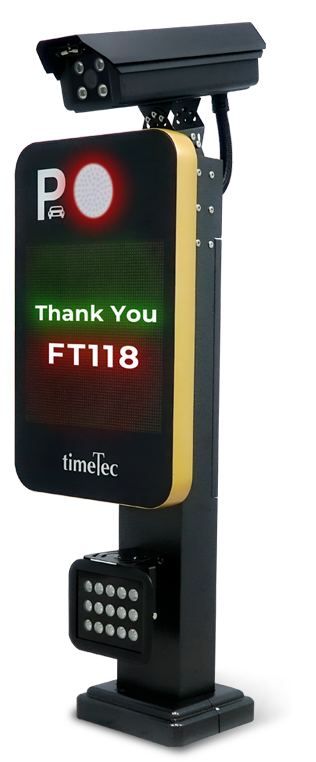
| Pass or card check-out | LPR exit |
|---|---|
| Confirms a credential came back, not which vehicle left | Reads the actual departing plate |
| Exit tied to a pass number | Exit tied to the real vehicle |
| Depends on the guard finding time to reconcile | Closes the visit automatically at the barrier |
| Departure trail is only as good as the returned pass | Timestamped plate record for every exit |
A pass tells you someone handed something back. A plate tells you which car actually left.
If your community verifies visitors on the way in and assumes the way out takes care of itself, the exit is worth a closer look. Request a demo of iNeighbour to see LPR-based visitor check-out in practice.