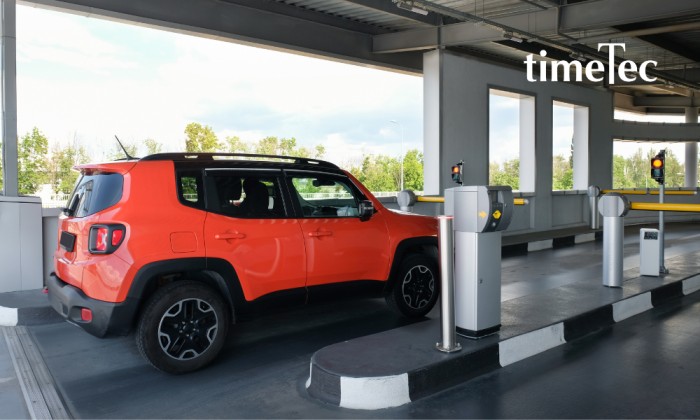
In the modern smart parking ecosystem, friction-free experiences are the gold standard. Features like eWallet Direct—where users authorize an app to auto-charge parking fees upon entry—promise a seamless “drive-through” experience.

However, data reveal a startling discrepancy. Despite successful authorization at the entry lane, the users end up manually paying via Bank Card, Touch ‘n Go (TnG), or DuitNow QRPay at the exit. Why does this “fallback” rate remain so high?
Here is a technical breakdown of the three primary failure points driving this phenomenon.
1. The Liquidity Gap (Insufficient Funds)
The most common cause of failure is simple account liquidity. Unlike credit cards, which have a rolling limit, many local eWallets operate on a pre-loaded basis.
A user may successfully enter because the entry camera (LPR) or reader only validates the account existence or a minimal threshold. However, by the time they exit hours later, the final calculated fee may exceed their current balance. When the payment gateway attempts the real-time deduction and receives an “Insufficient Funds” error code, the system halts, forcing the user to reach for a physical card or scan a DuitNow QR code to clear the barrier.
2. Post-Entry User Intervention
There is a significant behavioral component to these failures. When a user enters a parking facility, the eWallet app often triggers a push notification confirming the entry.
While meant for security, this notification sometimes prompts users to manually disable the “Auto-Deduct” or “Direct Pay” feature during their stay—either due to budget management, security paranoia, or a desire to use a different funding source for that specific trip. Once the token is revoked, the exit reader cannot process the charge, reverting the transaction to manual payment.
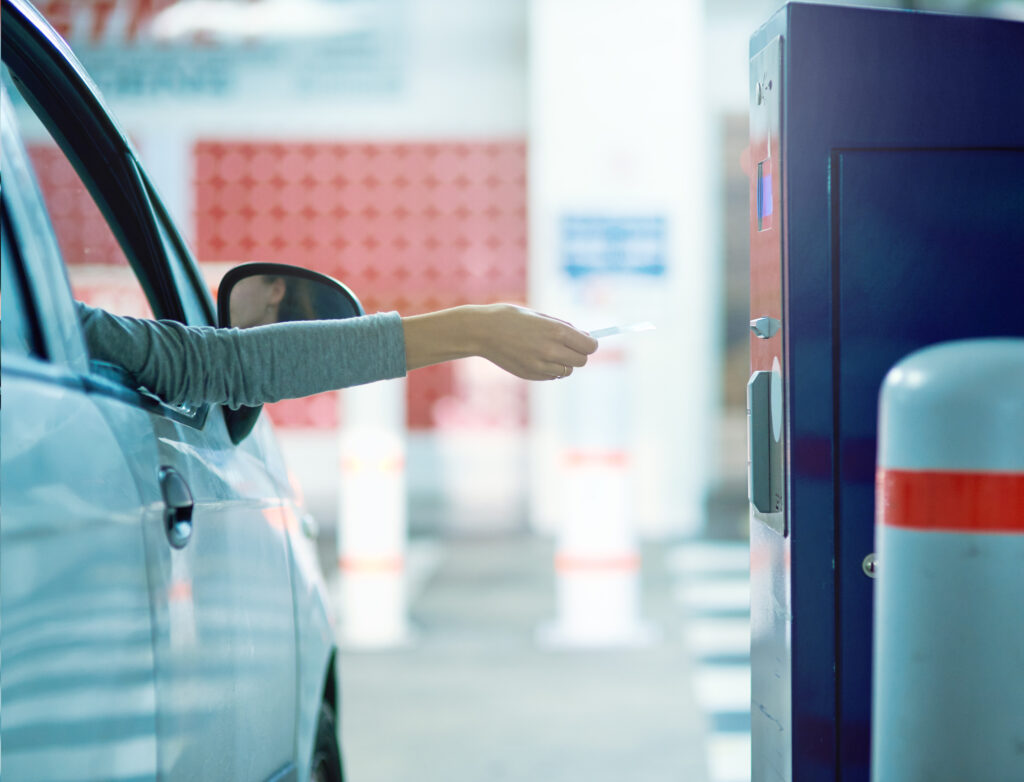
3. Network Latency and Handshake Failures
Finally, infrastructure limitations play a critical role. Auto-deduction requires a high-speed, real-time “handshake” between the parking system, the cloud server, and the eWallet provider.
Parking basements are notorious for poor connectivity. If the network latency exceeds a specific timeout threshold (usually 3–5 seconds) during the exit attempt, the auto-deduction fails to prevent traffic congestion. The system creates a “Time Out” exception, and the user is immediately prompted to use an offline method (like a TnG card) to exit quickly.
The Takeaway: Designing for Redundancy
Crucially, the system must also handle the “open” entry session to prevent billing errors. In scenarios where the auto-deduction fails but the user successfully exits via a secondary method (like a bank card), the TimeTec system automatically triggers a reconciliation protocol. It sends a specific void code to the respective eWallet or banking app, instantly invalidating the initial entry transaction. This closes the loop, ensuring the user is not double-charged for a single parking session.

While eWallet Direct is the future, the high fallback rate proves that hybrid payment terminals are not just a backup—they are an operational necessity. To ensure smooth traffic flow, parking operators must continue to support diverse payment rails alongside auto-deduction technologies.
03-8070 9933 | Email | www.timeteccloud.com | Interest Form