
Introduction
For years, the standard for cashless parking in Malaysia has been the physical card, whether it’s a debit card or Touch ‘n Go (TnG). While these were a step up from cash for many years, they are slowly becoming outdated in the era of mobility technology and AI transformation. They require sophisticated and expensive hardware, frequent maintenance, and frustratingly slow deployment times.
The parking industry is shifting toward a seamless, “frictionless” experience: License Plate Recognition (LPR) combined with DuitNow QRPay.
For building managers and property owners, this combination isn’t just about technology; it is about maximizing revenue and minimizing headaches. Here is why the LPR + DuitNow QRPay model is superior to legacy card systems.
Table of Contents
- Introduction
- 1. Rapid Deployment: Weeks, Not Months
- 2. Significantly Lower CAPEX and OPEX
- 3. The “Touchless” User Experience
- 4. Better Margins: Lower MDR
- 5. Universal Payment Acceptance (Interoperability)
- 6. Welcoming Tourists: Cross-Border Payments
- 7. Reduced Variance and Technical Errors
- Why TimeTec Parking is the Preferred Partner
- Conclusion
- Frequently Asked Questions
1. Rapid Deployment: Weeks, Not Months
Time is money. One of the biggest pain points with traditional card systems (especially TnG) is the bureaucracy and hardware setup. Applying for merchant IDs and installing card readers often results in a lead time of up to 3 months.

In contrast, an LPR system integrated with DuitNow QRPay offers incredible agility. Because the payment infrastructure is digital rather than hardware-heavy, the system can be fully deployed and operational within 2 weeks. This allows operators to start collecting revenue almost immediately.
2. Significantly Lower CAPEX and OPEX
The hardware required for card-based systems is costly. You need specialized card readers, secure key management modules, and you must account for frequent physical maintenance and license fees.
For parking sites already equipped with LPR, the transition is even more affordable. You only need:
- A QR code display unit.
- A TimeTec I/O Board.
The cost is roughly half that of card readers, resulting in a much lower initial investment and reduced ongoing maintenance costs.
3. The “Touchless” User Experience
We live in a post-pandemic world where hygiene and convenience are paramount. Winding down the window to stretch and tap a card is a friction point users dislike—especially when card readers are difficult to reach due to poor positioning or housing design.
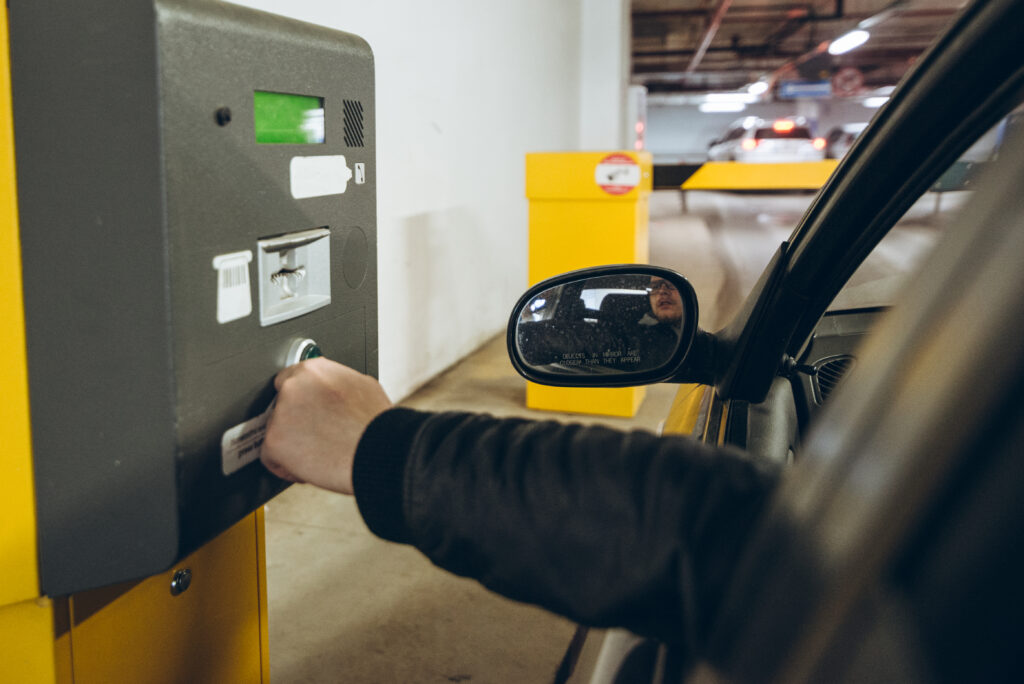
LPR allows for seamless entry, and the exit process via QRPay is entirely touchless, eliminating the need to wind down the car window. It is faster, safer, and offers a premium user experience compared to tapping physical cards.
4. Better Margins: Lower MDR
For parking operators, every percentage point counts. Traditional payment methods (Credit/Debit cards and TnG) come with higher Merchant Discount Rates (MDR). DuitNow QRPay generally offers significantly lower MDR fees. Over a year of high-volume transactions, this difference translates into substantial profit savings.
5. Universal Payment Acceptance (Interoperability)
The beauty of DuitNow is its universality. Unlike closed-loop cards, DuitNow allows users to scan and pay using any participating banking app (Maybank, CIMB, Public Bank, etc.) or eWallet (GrabPay, TnG eWallet, Boost, SPayGlobal, ShopeePay). You are never turning a customer away because they “don’t have the right card.”
6. Welcoming Tourists: Cross-Border Payments
This is a game-changer for malls, hotels, and tourist hotspots. Through cross-border payment linkages, your parking system can accept payments from foreign visitors using their native apps:
- Indonesia: QRIS
- Singapore: NETS/SGQR
- Thailand: PromptPay
Tourists can pay for parking seamlessly without needing to exchange cash or buy a local card. Pro tip: If your site receives many foreign guests, we suggest erecting signage displaying these foreign QR logos to notify visitors of this convenience.
7. Reduced Variance and Technical Errors
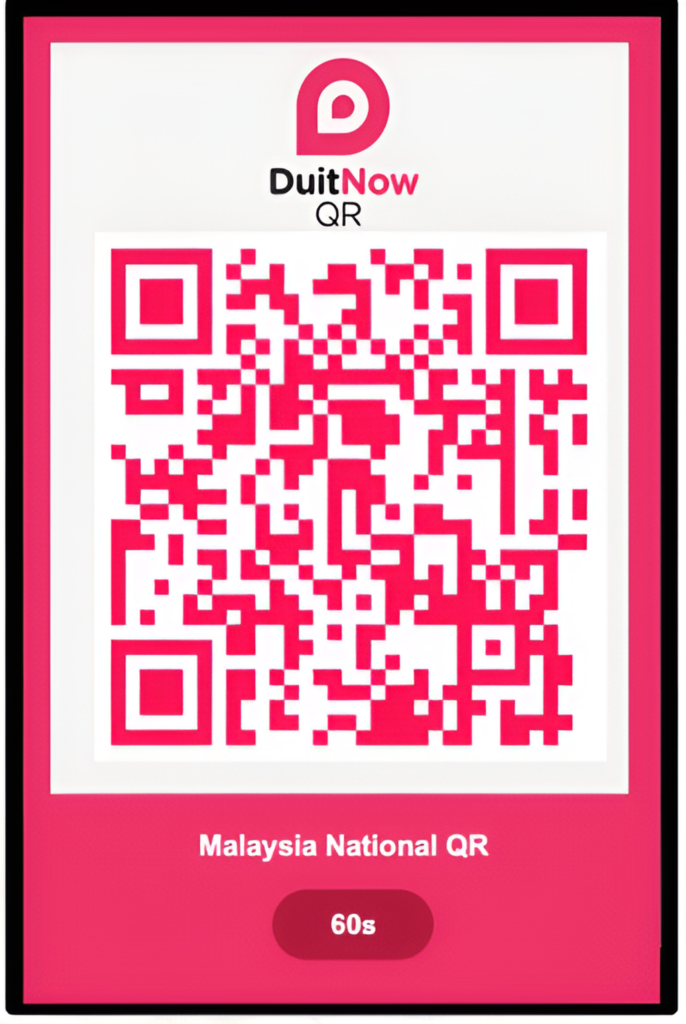
A QR display is a solid-state digital screen. It does not suffer from mechanical wear and tear. By removing the card reader, you remove the most common point of failure, ensuring your revenue reports match your actual traffic accurately.
Why TimeTec Parking is the Preferred Partner
While the LPR + DuitNow technology is powerful, the system managing it matters. TimeTec Parking adds critical layers of value that generic providers cannot match:
- Comprehensive Settlement Portal: TimeTec provides a centralized dashboard that simplifies the reconciliation process, giving finance teams total visibility over collections.
- LHDN e-Invoice Compliance: With the Malaysian government mandating e-Invoicing, TimeTec Parking systems are ready to support compliance, ensuring your business meets all tax regulatory requirements automatically.
- Future-Proof Integration: Parking is never an isolated activity. In the digital transformation era, parking systems must often integrate with other activities like visitor management, loyalty reward points, HR attendance, and smart community systems. TimeTec not only provides APIs for such integrations but also offers these systems as part of our complete Smart Building ecosystem.
- ISO 27001 Certified: Data security is non-negotiable. TimeTec is ISO 27001 certified, guaranteeing that all user data and payment information are handled with the highest international standard of security.
Conclusion
The era of expensive card readers and slow deployment is over. By switching to LPR + DuitNow QRPay, parking operators can lower costs, expand payment options for locals and tourists, and secure their revenue.

Ready to upgrade your parking site? Contact TimeTec Parking today for a consultation.
Frequently Asked Questions
1. Is LPR parking cheaper to install than Touch ‘n Go parking?
Yes. LPR + QRPay requires less hardware (no card readers) and has a faster deployment time (2 weeks vs. 3 months), significantly reducing initial investment costs.
2. Can Singaporean or Thai tourists pay for parking in Malaysia using QR?
Yes, if the parking system uses DuitNow QRPay (like TimeTec Parking), visitors can use Singaporean (NETS/SGQR), Thai (PromptPay), and Indonesian (QRIS) apps to pay directly.
3. How does DuitNow parking save money for operators?
DuitNow QRPay typically charges a lower Merchant Discount Rate (MDR) compared to credit cards or Touch ‘n Go, and the hardware requires less maintenance.
03-8070 9933 | Email | www.timeteccloud.com | Interest Form